

Dauguma žmonių pirmą kartą apie hialurono rūgštį sužino ieškodami odos priežiūros priemonių, skirtų kovai su senėjimu. Ši medžiaga, dažnai vadinama „jaunystės eliksyru,“, tapo neatsiejama kosmetikos pramonės dalimi. Tačiau hialurono rūgštis yra kur kas daugiau nei grožio ingredientas — ji atlieka gyvybiškai svarbų vaidmenį visame organizme, nuo sąnarių lubrikavimo iki akių sveikatos. Supratimas, kaip ji veikia, kur ji naudojama, ir kada reikia elgtis atsargiai, gali padėti jums priimti pagrįstus sprendimus dėl papildų vartojimo.
Kas yra hialurono rūgštis ir iš kur ji gaunama
Hialurono rūgštis yra medžiaga, natūraliai esanti žmogaus organizme, daugiausia natrio hialuronato pavidalu. Didžiausios koncentracijos randamos odoje, akies stiklakūnyje, ir sinovialiniame (sąnario) skystyje. Ji taip pat yra jungiamojo audinio, kūno skysčių, ir kraujagyslių sienelių sudedamoji dalis. Pagrindinė jos funkcija yra vandens surišimas ir išlaikymas – viena hialurono rūgšties molekulė gali išlaikyti iki 1 000 kartų daugiau drėgmės nei sveria pati. Organizmas nuolat gamina hialurono rūgštį, kad pakeistų tą, kuri kasdien natūraliai suskaidoma. Tačiau nuo maždaug dvidešimties metų vidurio jos gamyba palaipsniui mažėja. Laikui bėgant tai veda prie audinių degeneracijos tose srityse, kur hialurono rūgštis yra labiausiai koncentruota, o tai sukelia matomus senėjimo požymius, pavyzdžiui, odos elastingumo ir stangrumo praradimą. Istoriškai hialurono rūgštis buvo ekstrahuojama iš gyvūnų audinių, įskaitant ryklių odą, galvijų akies obuolius ir gaidžių šukuočių. Nors gyvūninės kilmės hialurono rūgštis buvo veiksminga, kartais ji sukeldavo alergines reakcijas. Toda y, Pagrindinis šaltinis yra bakterinė fermentacija, naudojant Streptococcus equi, štamus, kurie gamina grynesnę, saugesnę formą, tinkamą tiek kosmetikos, tiek maisto papildų reikmėms.
Kaip hialurono rūgštis veikia organizme
Kartu su kolagenu, hialurono rūgštis yra vienas iš dviejų pagrindinių žmogaus odos struktūrinių komponentų. Apie pusė viso organizme esančio hialurono rūgšties kiekio yra odos dermoje ir tarpląstelinėse erdvėse. Ji yra atsakinga už tinkamą odos drėkinimą ir kolageno skaidulų apsaugą nuo skilimą. Kol hialurono rūgšties lygis išlieka pakankamas, oda išlaiko savo elastingumą ir atsparumą raukšlių susidarymui.
Akyse, hialurono rūgštis yra būtina stiklakūnio struktūrai ir funkcijai palaikyti. Ji užtikrina akies viskoelastines savybes ir prisideda prie sveikos ašarų plėvelės – todėl ji yra svarbi akių lašų ir kontaktinių lęšių tirpalų sudėtinė dalis. Tiems, kurie nori palaikyti savo regėjimą, mūsų akių ir regėjimo papildai siūlo įvairius kruopščiai atrinktus variantus. Hialurono rūgštis taip pat atlieka svarbų vaidmenį sąnarių sveikatai. Didelės jos koncentracijos randamos sinovialiniame skystyje, ji yra atsakinga už viskoelastines savybes, leidžiančias sąnariams judėti sklandžiai. Ji palaiko kremzlių elastingumą ir amortizuoja sąnarius judant. Kai hialurono rūgšties kiekis sąnariuose sumažėja, tai gali prisidėti prie sąstingio ir judrumo sumažėjimo – dažnų sąnarių degeneracijos požymių.
Hialurono rūgšties panaudojimas
Odos priežiūra ir estetinė medicina
Hialurono rūgštis yra viena iš plačiausiai naudojamų sudedamųjų dalių senėjimo prevencijos odos priežiūros produktuose. Ji yra drėkinamuosiuose kremuose, serumuose, ir veido kaukėse, skirtose odai drėkinti ir stangrinti. Estetinėje medicinoje, Derma l užpildų procedūros apima hialurono rūgšties preparatų injekcijas po oda, siekiant užpildyti raukšles ir atkurti tūrį. Šie efektai yra laikini — paprastai trunka nuo 6 iki 12 mėnesių — nes organizmas laikui bėgant natūraliai skaido šią medžiagą, todėl procedūras reikia reguliariai kartoti. Mažiau žinomas yra hialurono rūgšties naudojimas žaizdų gijimui, kur ji gali padėti gydyti odos opas ir nudegimus.
Oftalmologija
Hialurono rūgšties gebėjimas surišti vandenį daro ją nepakeičiamą akių priežiūroje. Ji sudaro daugelio kontaktinių lęšių tirpalų ir drėkinamųjų akių lašų pagrindą. Šie produktai padeda nuraminti dirginimą, kurį sukelia kontaktinių lęšių nešiojimas ir sausų akių sindromas, taip pat palaiko ašarų plėvelės struktūrą ir suriša potencialiai kenksmingas medžiagas.
Sąnarių ir kaulų sveikata
Ortopedijoje, hialurono rūgšties injekcijos naudojamos siekiant papildyti išsekusį sinovialinį skystį žmonėms, turintiems sąnarių sutrikimų. Per burną vartojami hialurono rūgšties papildai taip pat tampa vis populiaresni kaip būdas palaikyti sąnarių judrumą ir komfortą iš vidaus. Ištyrinėkite mūsų kaulų, sąnarių ir kremzlių papildus, kad rastumėte produktus, kuriuose hialurono rūgštis derinama su kitomis sąnarius palaikančiomis maistinėmis medžiagomis, pvz., gliukozaminu, chondroitinu, ir MSM.


Now Foods
Now Foods Hialurono rūgštis, Dvigubo stiprumo 100 mg - 120 kapsulių
Įprasta kaina €39.99Vieneto kaina€0.33 už kiekvieną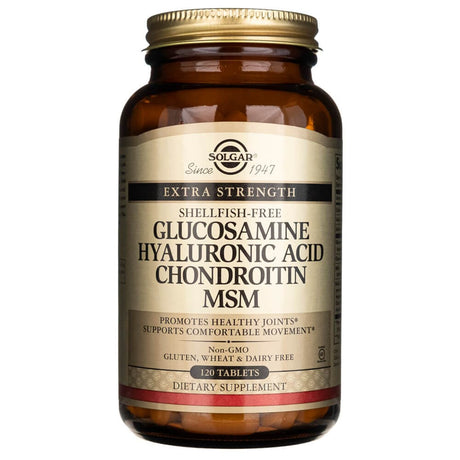


Solgar
Solgar Gliukozaminas Hialurono rūgštis Chondroitinas MSM - 120 tablečių
Įprasta kaina €56.99Vieneto kaina€0.47 už kiekvieną
Formeds
Formeds Bicaps hialurono rūgštis - 60 kapsulių
Įprasta kaina €18.49Vieneto kaina€0.31 už kiekvieną


Hepatica
Hepatica Hialurono rūgštis, mažos molekulinės masės - 90 kapsulių
Įprasta kaina €10.79Vieneto kaina€0.12 už kiekvieną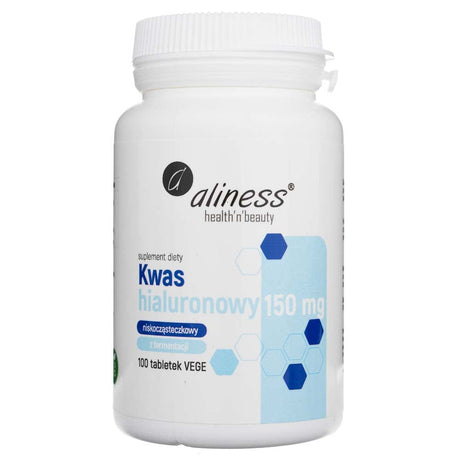


Aliness
Aliness Hialurono rūgštis 150 mcg - 100 tablečių
Įprasta kaina €12.59Vieneto kaina€0.13 už kiekvieną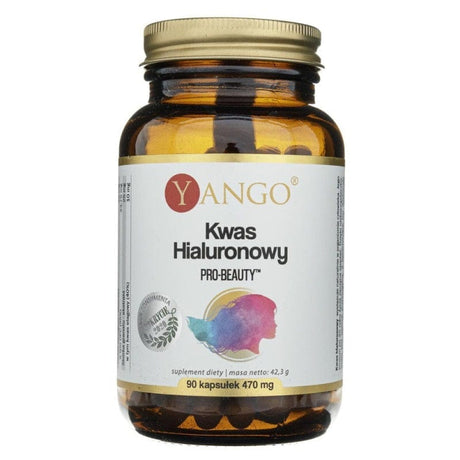


Yango
Yango Hyaluronic Acid Pro-Beauty™ - 90 kapsulių
Įprasta kaina €17.69Vieneto kaina€0.20 už kiekvieną


Hialurono rūgštis odos priežiūros produktuose
Be per burną vartojamų papildų, vietiškai naudojama hialurono rūgštis išlieka viena iš veiksmingiausių drėkinančių medžiagų šiuolaikinėje odos priežiūroje. Ji randama įvairiausiuose produktuose — nuo lengvų tonikų ir esencijų iki tirštų kremų ir specialių akių priežiūros priemonių. Korėjos grožio prekių ženklai buvo ypač novatoriški kurdami įvairios molekulinės masės hialurono rūgšties produktus, kurie įsiskverbia į skirtingus odos sluoksnius, užtikrindami gilesnį, ir ilgalaikį drėkinimą.
Renkantis hialurono rūgšties odos priežiūros produktus, atsižvelkite į molekulinę masę: mažos molekulinės masės hialurono rūgštis įsiskverbia giliau į odą, o didelės molekulinės masės sudaro drėkinamąjį sluoksnį ant paviršiaus. Daugelis šiuolaikinių formulių derina abu variantus, kad užtikrintų visapusišką drėkinimą. Peržiūrėkite mūsų plaukų, odos ir nagų kolekciją ir raskite papildus, kurie veikia iš vidaus kartu su jūsų kasdiene odos priežiūros rutina.


 10% nuolaida
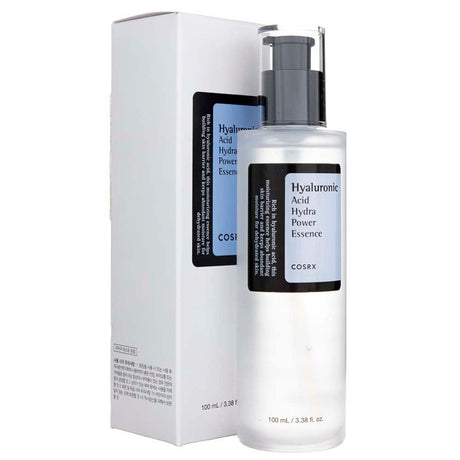
COSRX
COSRX Hialurono rūgštis Hydra Power Essence - 100 ml
Akcijos kaina €16.01 Įprasta kaina €17.79Vieneto kaina€160.10 /l
 20% nuolaida
Isntree
Isntree hialurono rūgšties tonikas - 200 ml
Akcijos kaina €9.41 Įprasta kaina €11.79Vieneto kaina€4.71 /100 ml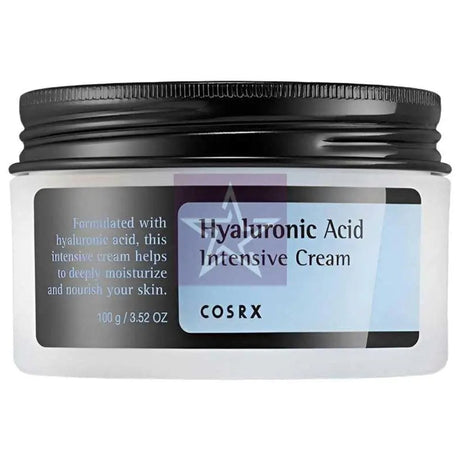
COSRX
COSRX Intensyvus hialurono rūgšties kremas - 100 ml
Įprasta kaina €16.99Vieneto kaina€16.99 /100 ml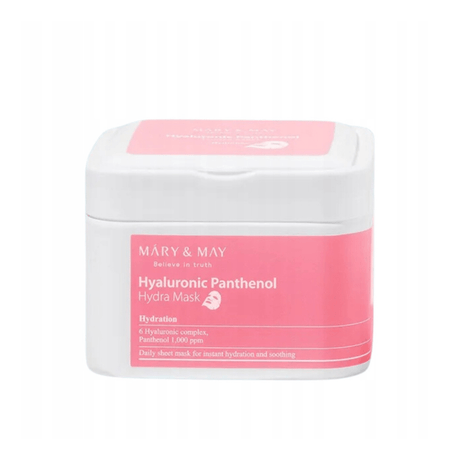


Mary&May
Mary&May Hyaluronic Panthenol Hydra Mask - 30 vienetų
Įprasta kaina €22.39Vieneto kaina€0.75 už kiekvieną


Kontraindikacijos ir saugumo aspektai
Hialurono rūgštis paprastai gerai toleruojama, tiek kaip vietiškai naudojamas ingredientas, tiek kaip geriamasis maisto papildas. Tačiau, yra svarbių situacijų, kai reikia elgtis atsargiai.
Injekciniai hialurono rūgšties gydymo būdai (Derma, pvz., užpildai ir sąnarių injekcijos), turėtų būti vengiami šiais atvejais:
- Nėštumas ir žindymas
- Aktyvi vėžio forma
- Skydliaukės sutrikimai
- Žinoma alergija bet kuriai preparato sudėtinei daliai
- Kraujo krešėjimo sutrikimai
- Aktyvus herpesas arba odos infekcijos injekcijos vietoje
Per burną vartojami hialurono rūgšties papildai tablečių ar kapsulių pavidalu paprastai laikomi saugiais daugumai suaugusiųjų. Tačiau, jų turėtų vengti nėščios ir krūtimi maitinančios moterys, asmenys, sergantys autoimuninėmis ligomis, ir tie, kurie turi aktyvių infekcijų.
Pagrindinė išvada: Hialurono rūgštis yra natūraliai organizme susidarianti medžiaga, būtina odos drėkinimui, sąnarių judrumui, ir akių sveikatai. Nors su amžiumi jos gamyba organizme mažėja, tiek geriamieji papildai, tiek vietiškai naudojami produktai gali padėti išlaikyti pakankamą jos kiekį — iš vidaus palaikydami jaunatvišką išvaizdą ir judėjimo patogumą.
Šis straipsnis yra tik informacinio pobūdžio ir nepakeičia gydytojo konsultacijos. Jei turite sveikatos problemų, esate nėščia, maitinate krūtimi ar vartojate vaistus, pasitarkite su gydytoju arba vaistininku. Maisto papildai nepakeičia įvairios mitybos.


