

Maitinimo buteliukas yra vienas iš pirmųjų daiktų kiekvienų naujų tėvų pirkinių sąraše. Nesvarbu, ar maitinate krūtimi, ar mišiniu, ar derinate abu būdus, geras buteliukas yra nepakeičiamas nuo pat pirmos dienos. Žindančios motinos buteliukų reikia, kai išsiskiria pieną ir perduoda kūdikio priežiūrą partneriui ar globėjui; mišiniais maitinančios tėvai jais naudojasi kiekvieną kartą maitindami kūdikį. Buteliukai taip pat naudojami vandeniui, žolelių arbatoms, ir sultims duoti, kai kūdikis auga. Tačiau rinkoje esant tiek daug pasirinkimų, pasirinkti tinkamą buteliuką – ir suprasti, kas iš tiesų vieną daro geresnį už kitą – gali būti tikrai sudėtinga. Šiame vadove aptariama viskas, ką reikia žinoti. Kas daro kūdikių buteliuką geru? Svarbiausias kriterijus yra saugumas. Kūdikių buteliukas turi būti pagamintas iš medžiagų, kurios neišskiria kenksmingų medžiagų – ypač BPA (bisfenolio A) ir susijusių junginių – plovimo, sterilizavimo, ar sąlyčio su šiltais skysčiais metu. Visi gerbiamų gamintojų kūdikių buteliukai, parduodami ES, yra be BPA, tačiau tėvai, vertindami plastiko variantus, taip pat turėtų atkreipti dėmesį į susijusius junginius (BPS, BPF). Stikliniai buteliukai yra saugiausia medžiaga iš visų — inertiški, neišskiria medžiagų, lengvai sterilizuojami, ir ilgaamžiai — nors jie yra sunkesni ir jiems reikalingas apsauginis apvalkalas, siekiant sumažinti sudužimo riziką. Aukštos kokybės plastikiniai buteliukai, pagaminti iš PPSU (, polifenilsulfonu) arba „Tritan“, yra antras geriausias pasirinkimas.
Be medžiagos, žinduko dizainas yra svarbiausia funkcinė savybė. Geras žindukas turėtų kuo labiau imituoti krūties formą ir pojūtį – platus prie pagrindo, lėtai tekantis, ypač skirtas naujagimiams, ir lankstus, kad kūdikis galėtų natūraliai prisisiurbti. Tėvams, derinantiems maitinimą iš buteliuko ir krūtimi, krūties formos žindukas su reaguojančiu srautu, reikalaujančiu aktyvių čiulpimo pastangų, sumažina spenelių painiavos riziką. Antikolikos sistemos yra dar vienas svarbus aspektas: ventiliacijos sistemos, kurios sumažina maitinimo metu nurijamo oro kiekį, gali žymiai sumažinti kolikų, dujų, ir atryžimo dažnį. Norėdami pamatyti visą maitinimo reikmenų asortimentą, apsilankykite mūsų maitinimo reikmenų kolekcijoje.
Tinkamo dydžio pasirinkimas
Buteliuko dydis turėtų atitikti kūdikio amžių ir maitinimo kiekį. Naujagimiams, paprastai pakanka 120–125 ml buteliuko, nes naujagimiai maitinasi mažais kiekiais ir dažnai. Nuo maždaug vieno mėnesio, 260 ml buteliukas tinka daugumai maitinimų. Nuo šešių mėnesių 330 ml butelis tinka didesniems kūdikiams, kuriems reikia didesnio maisto kiekio. Praktiška turėti kelis skirtingų dydžių butelius – mažesnis butelis yra patogesnis naktiniam maitinimui ir nešiojimui, o didesnis butelis tinka dieniniam maitinimui. Taip pat verta patikrinti, ar pasirinktas buteliukas suderinamas su jūsų sterilizatoriumi ir buteliukų šildytuvu prieš perkant, nes matmenys skiriasi tarp skirtingų prekės ženklų.
Philips Avent : Išsamiausias asortimentas
Philips Avent yra vienas iš patikimiausių vardų kūdikių maitinimo srityje ir siūlo išsamiausią buteliukų asortimentą, kurį galima rasti „Medpak“. „Natural Response“ asortimente yra krūties formos žindukas, iš kurio pienas teka tik tada, kai kūdikis aktyviai čiulpia – taip imituojamas pieno tekėjimas iš krūties ir žymiai palengvinamas perėjimas nuo buteliuko prie žindymo. „AirFree“ antikolikinis vožtuvas užtikrina, kad žindukas būtų pripildytas pieno bet kokiu maitinimo kampu, įskaitant beveik vertikalų, taip sumažindamas oro nurijimą ir sumažindamas kolikų, dujų susikaupimo bei atryžimo riziką. Galima rinktis iš plastikinių ir stiklinių variantų. Ištyrinėkite visą Philips Avent maitinimo asortimentą mūsų žindymo ir maitinimo kolekcijoje.


Philips
Philips Avent Responsive Natural buteliukas su AirFree antikolikiniu vožtuvu - 125 ml
Įprasta kaina €9.59Vieneto kaina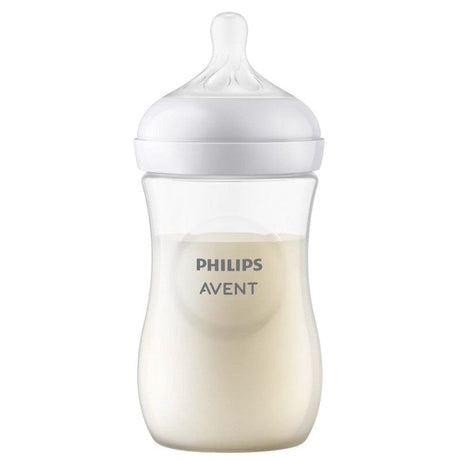


Philips
Philips Avent Responsive kūdikių buteliukas Natural - 260 ml
Įprasta kaina €9.49Vieneto kaina


Philips
Įprasta kaina €10.19Vieneto kaina


Philips
Philips Avent Responsive kūdikių buteliukas Natural 6 m+ - 330 ml
Įprasta kaina €10.19Vieneto kaina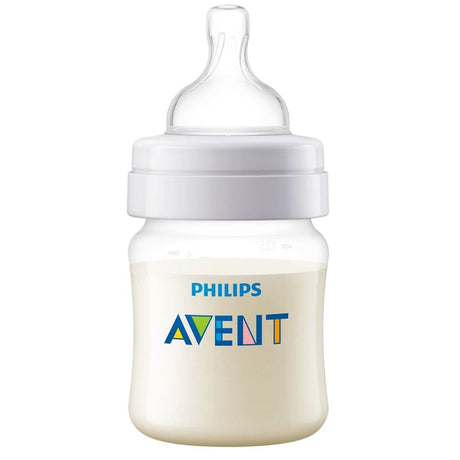

 6% nuolaida
Philips
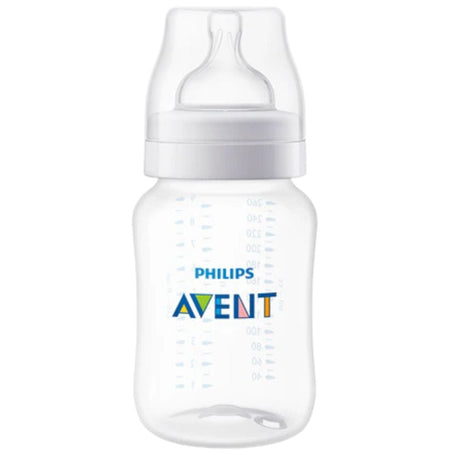
Philips Avent Buteliukas su antikolikine sistema 0 m+ - 125 ml
Akcijos kaina €6.40 Įprasta kaina €6.79Vieneto kaina


 5% nuolaida
Philips
Philips Avent Anti-Colic buteliukas 1 m+ - 260 ml
Akcijos kaina €7.10 Įprasta kaina €7.49Vieneto kaina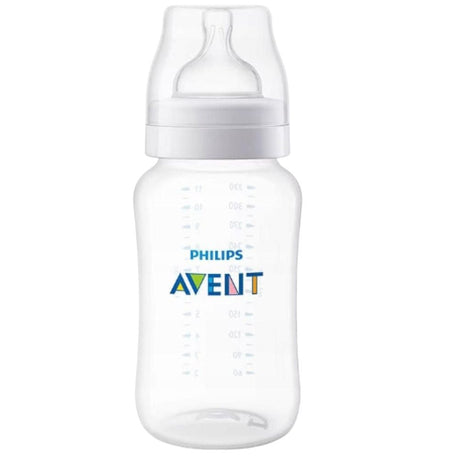
 6% nuolaida
Philips
Philips Avent Buteliukas su antikolika 3 m+ - 330 ml
Akcijos kaina €7.80 Įprasta kaina €8.29Vieneto kaina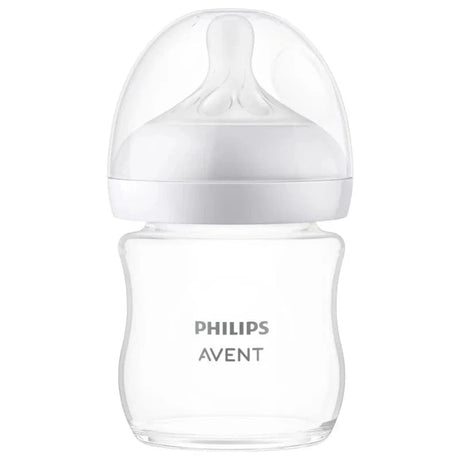


Philips
Philips Avent Philips Avent Responsive Natural, Stiklinis buteliukas kūdikiams - 120 ml
Įprasta kaina €11.09Vieneto kaina


Philips
Philips Avent Philips Avent Responsive Natural, Stiklinis buteliukas kūdikiams - 240 ml
Įprasta kaina €12.69Vieneto kaina


Pradedančiųjų rinkiniai ir priedai
Naujiems tėvams, kurie nuo nulio įrengia kūdikio kambarį,, buteliukų pradedančiųjų rinkiniai yra praktiškiausias ir ekonomiškiausias pasirinkimas. Rinkinyje paprastai yra įvairių dydžių buteliukai, žindukai ir šepetėlis – viskas, ko reikia pirmosioms savaitėms. Geras buteliukų šepetėlis su žindukų valymo antgaliu yra būtinas kruopščiai higienai tarp sterilizavimo ciklų. Specialus buteliukų šildytuvas, kuris šildo pieną švelniai ir tolygiai (be karštų taškų), yra vienas iš praktiškiausių kūdikių daiktų, kuriuos galite turėti. Tėvams, planuojantiems susikurti visą Philips Avent ekosistemą – buteliukus, sterilizatorių, ir šildytuvą – verta žinoti, kad šio prekės ženklo priedai yra visiškai suderinami TiB tarpusavyje visoje asortimento serijoje.


 5% nuolaida
Philips
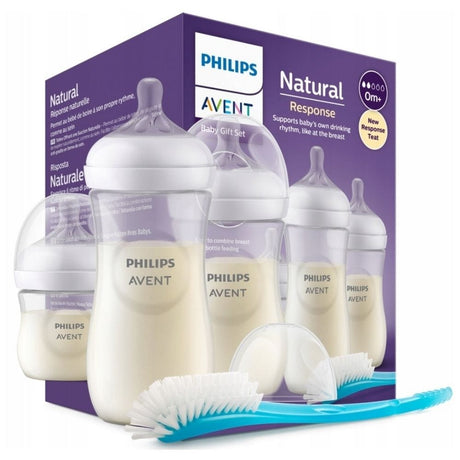
Philips Avent Kūdikių dovanų buteliukų rinkinys - 3 buteliukai + šepetėlis
Akcijos kaina €29.72 Įprasta kaina €31.29Vieneto kaina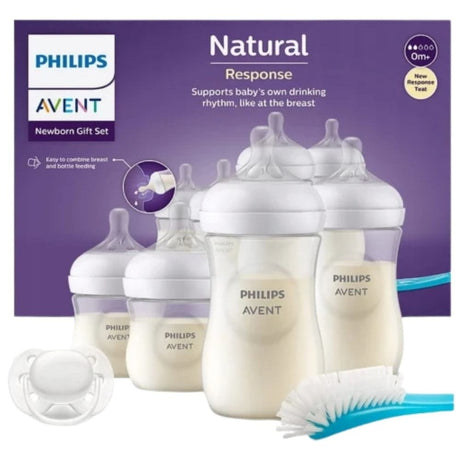


 5% nuolaida
Philips
Philips Avent Kūdikių dovanų buteliukų rinkinys - 4 buteliukai + čiulptukas + šepetėlis
Akcijos kaina €36.12 Įprasta kaina €38.09Vieneto kaina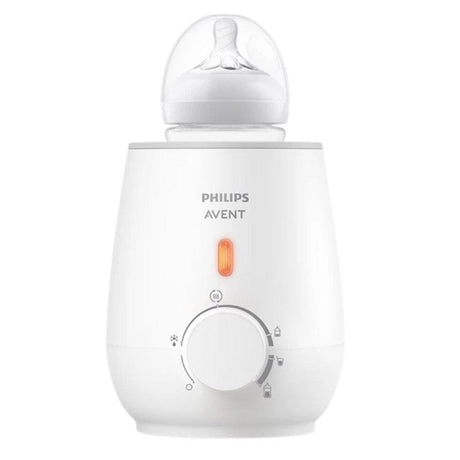


Buteliukų švaros palaikymas
Kruopštus valymas po kiekvieno naudojimo yra būtinas. Pieno likučiai – tiek motinos pieno, tiek pieno mišinio – sudaro idealias sąlygas bakterijoms daugintis. Buteliukus išplaukite iškart po maitinimo šiltu muiluotu vandeniu ir specialiu buteliukų šepetėliu, tada sterilizuokite. Sterilizuoti rekomenduojama visą maitinimo įrangą per pirmuosius dvylika kūdikio gyvenimo mėnesių. Garinė sterilizacija – elektrinė arba mikrobangų krosnelėje – yra greičiausias ir patikimiausias būdas. Specialus buteliukų ir čiulptukų valiklis — be stiprių ploviklių ir skalavimo priemonės likučių — yra saugiausias pasirinkimas kasdieniam plovimui. Susipažinkite su mūsų visais „https://medpak.shop/collections/children-hygiene“ vaikų higienos produktais, kuriuose rasite viską, ko reikia, kad maitinimo reikmenys būtų švarūs ir saugūs.
Šis straipsnis yra tik informacinio pobūdžio ir nepakeičia gydytojo konsultacijos. Jei turite sveikatos problemų, esate nėščia, maitinate krūtimi ar vartojate vaistus, pasitarkite su gydytoju arba vaistininku. Maisto papildai nepakeičia įvairios mitybos.


