

Boras retai sulaukia tokio pat dėmesio kaip magnis ar geležis. Palyginti su kitais mikroelementais, jo reikšmė yra kur kas kuklesnė, tačiau, nors jo reikia tik labai nedideliais kiekiais, boras atlieka stebėtinai svarbų vaidmenį užtikrinant tinkamą viso organizmo funkcionavimą. Jo galima rasti daugelyje augalinės kilmės maisto produktų — bet ar to pakanka Enough, kad būtų palaikomas tinkamas jo kiekis?
Kas yra boras?
Boras yra mikroelementas, prisidedantis prie kelių gyvybiškai svarbių procesų žmogaus organizme, ypač prie kalcio apykaitos reguliavimo. Nors jis gali ir nesulaukti tokios pačios šlovės kaip geležis ar magnis, vis daugiau įrodymų rodo, kad boras daro įtaką pagrindinių maistinių medžiagų, įskaitant vitaminą D, kalcio, magnio, ir vario, apykaitai. Jau vien tai daro jį svarbia dėlionės dalimi, kai kalbama apie bendros sveikatos palaikymą ir natūralių organizmo procesų palaikymą.
Organizmas nereikalauja didelių boro kiekių, tačiau net nedidelis jo trūkumas gali turėti pastebimų pasekmių. Tyrimai sieja mažą boro suvartojimą su problemomis, pradedant degeneracinėmis sąnarių ligomis ir baigiant platesniais medžiagų apykaitos sutrikimais. Visiems, besidomintiems visapusišku mineralų papildymu, verta geriau suprasti borą.
Boro savybės ir nauda sveikatai
Boras palaiko platų fiziologinių funkcijų spektrą, todėl jis yra kur kas svarbesnis, nei galėtų rodyti jo „mikroelemento“ statusas. Viena iš dažniausiai aptariamų naudos sričių yra jo potencialus poveikis kognityvinėms funkcijoms. Pakankamas boro suvartojimas siejamas su atminties, koncentracijos, reakcijos laiko, ir motorinės koordinacijos pagerėjimu – sritimis, kurios svarbios visų amžiaus grupių žmonėms.
Galbūt geriausiai dokumentuotas boro vaidmuo susijęs su kaulų ir sąnarių sveikata. Boras palengvina vitamino D įsisavinimą ir padeda reguliuoti kalcio kiekį organizme – du veiksniai, kurie yra esminiai norint išlaikyti stiprius ir sveikus kaulus. Štai kodėl boras dažnai aptariamas osteoporozės prevencijos ir bendro skeleto palaikymo kontekste. Jis taip pat gali padėti išlaikyti sveiką uždegiminę reakciją kauluose ir sąnariuose bei prisidėti prie raumenų jėgos. Jei ieškote tikslinės pagalbos šioje srityje, peržiūrėkite mūsų kaulų, sąnarių ir kremzlių papildų asortimentą, kuriame rasite atrinktus produktus.
Boras taip pat pasižymi natūraliomis antimikrobinėmis savybėmis, įskaitant antivirusinį, priešgrybelinį, ir TiB antibakterinį poveikį, kuris gali prisidėti prie geraiveikiančiai imuninei sistemai ir palaiko natūralius organizmo žaizdų gijimo procesus.
Boras ir hormonų pusiausvyra
Mažiau žinomas, bet vis dažniau tiriamas boro aspektas yra jo įtaka hormonų sveikatai. Tyrimai rodo, kad boras gali stimuliuoti natūralų testosterono gamybą, tuo pačiu padėdamas normalizuoti estrogeno lygį. Šis dvejopas poveikis tiek vyrų, tiek moterų lytiniams hormonams daro borą įdomiu tiems, kurie nori natūraliai palaikyti savo hormonų pusiausvyrą. Kai kurie šaltiniai jį net apibūdina kaip natūralų junginį, kuris gali prisidėti prie sveiko lytinio potraukio tiek vyrams, tiek moterims.
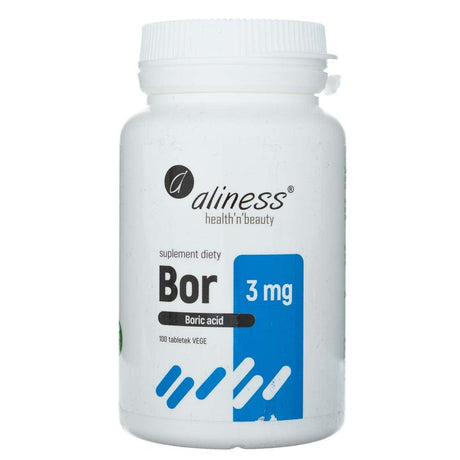


Aliness
Aliness Boras (Boro rūgštis) 3 mg - 100 tablečių
Įprasta kaina €6.59Vieneto kaina€0.07 už kiekvieną


Natūralūs boro šaltiniai
Boro randama įvairiuose neperdirbtuose augalinės kilmės maisto produktuose. Tarp turtingiausių maisto šaltinių yra džiovinti vaisiai — ypač datulės — taip pat ankštiniai (įvairių rūšių pupelės), žalialapiai daržovės, ir vaisiai, tokie kaip vynuogės, slyvos, kriaušės, obuoliai, ir persikai. Kiaušiniai taip pat yra geras šio mikroelemento šaltinis.
Verta paminėti, kad žemės ūkyje naudojamose mineralinėse trąšose boras dažnai yra borakso ((borinės rūgšties natrio druskos)), pavidalu, kuris leidžia borą įsisavinti auginamiems augalams. Tai reiškia, kad daugumai žmonių, besilaikančių įvairios ir subalansuotos mitybos, kasdien suvartojamas maistas turėtų suteikti pakankamą boro kiekį. Tačiau asmenims, turintiems specifinių sveikatos problemų ar laikantiems ribotą dietą, gali būti naudinga tikslinė papildų vartojimas.
Boro dozavimas — kiek jo reikia?
Bendrai pripažinta saugi boro viršutinė riba suaugusiesiems yra apie 20 mg per dieną, o nėščioms ir krūtimi maitinančioms moterims šis kiekis yra šiek tiek mažesnis — apie 15 mg. Vaikams, rekomenduojama paros dozė svyruoja nuo 0,5 iki 3,5 mg, kurią paprastai galima gauti iš įprastos mitybos — vaikams maisto papildų vartoti paprastai nerekomenduojama.
Kai kurie ekspertai teigia, kad suaugusiųjų paros poreikis gali būti vos 9 mg, o tam tikros tradicinės mitybos – pavyzdžiui, tradicinė prancūzų mityba – gali suteikti net iki 36 mg boro per dieną. Praktiškai, boro toksinis poveikis yra retas ir paprastai reikalautų vartoti daugiau nei 100 mg per dieną ilgą laiką, nes organizmas perteklinį borą pašalina palyginti greitai. Dauguma boro papildų suteikia nuo 3 iki 6 mg vienoje kapsulėje, o tai yra gerokai saugiose ribose.
Kontraindikacijos ir saugumo aspektai
Boras paprastai laikomas saugiu mikroelementu, tačiau yra konkrečių situacijų, kai reikia elgtis atsargiai. Kadangi boras gali turėti estrogeno tipo poveikį, asmenys, turintys hormonams jautrių ligų – pavyzdžiui, krūties vėžio, gimdos vėžio, ar endometriozės – turėtų vengti borų papildų, nebent tai specialiai patartų sveikatos priežiūros specialistas.
Žmonės, turintys inkstų problemų, taip pat turėtų būti atsargūs, nes sutrikusi inkstų funkcija gali paveikti organizmo gebėjimą veiksmingai filtruoti ir pašalinti boro junginius. Be to,, papildai paprastai nerekomenduojami nėščioms ar krūtimi maitinančioms moterims, nes manoma, kad subalansuota mityba yra pakankama boro poreikiams patenkinti šiais laikotarpiais.
Kaip pasirinkti boro papildą
Renkantis boro papildą, atsižvelkite į savo individualius sveikatos tikslus. Atskiri boro papildai — paprastai vienoje kapsulėje yra 3 mg — idealiai tinka tiems, kurie nori konkrečiai padidinti boro suvartojimą. Platesnei kaulų sistemai palaikyti, kombinuotos formulės, kuriose boras derinamas su kalciu ir vitaminas D gali pasiūlyti labiau sinergetinį požiūrį.
„Medpak“, siūlome boro papildus iš patikimų prekės ženklų, įskaitant Swanson, Solgar, Life Extension, ir Aliness — visi Hipp pagaminti ES, todėl juos patogu pristatyti Europoje.
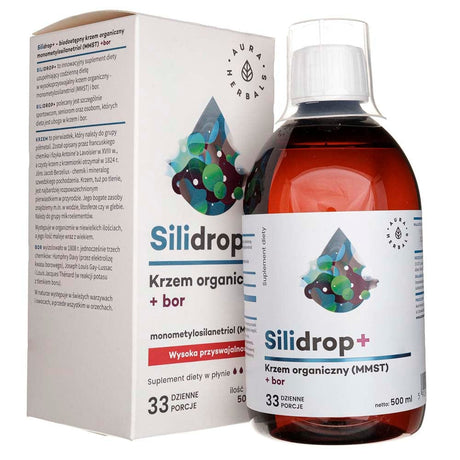


Aura Herbals
Aura Herbals Silidrop+ - organinis silicis + boras - 500 ml
Įprasta kaina €21.09Vieneto kaina€42.18 /l


Pagrindinė išvada: Boras gali būti mikroelementas, tačiau jo įtaka kaulų sveikatai, kognityvinėms funkcijoms, mineralų apykaitai, ir hormonų pusiausvyrai daro jį vertinga — ir dažnai nepastebima — visapusiškos sveikatingumo strategijos dalimi. Nesvarbu, ar tai daroma per vaisių, daržovių, ir ankštinių augalų turtingą mitybą, ar per tikslingą papildų vartojimą, pakankamo boro suvartojimo užtikrinimas yra paprastas žingsnis, kuris gali prisidėti prie jūsų ilgalaikės gerovės.
Šis straipsnis yra tik informacinio pobūdžio ir nepakeičia gydytojo konsultacijos. Jei turite sveikatos problemų, esate nėščia, maitinate krūtimi ar vartojate vaistus, pasitarkite su gydytoju arba vaistininku. Maisto papildai nepakeičia įvairios mitybos.


