

Kava yra vienas iš tų dalykų, apie kuriuos dauguma žmonių mano gerai žiną – ji stimuliuoja, nuostabiai kvepia, ir turi savitą skonį. Tačiau nedaugelis žmonių supranta, kad kavos pupelės taip pat yra nepaprastai universalaus eterinio aliejaus šaltinis, vertinamo aromaterapijoje, kosmetikoje, ir natūraliose sveikatingumo praktikose. Kavos eterinis aliejus yra vienas iš tų produktų, kuriam verta skirti daugiau dėmesio – jo savybės gerokai pranoksta tai, ką galėtų leisti numanyti įprasta rytinė kavos puodelis.
Kaip gaminamas kavos eterinis aliejus
Kavos augalas (Coffea L.) yra didelis, visžalis krūmas, kuris natūraliai auga tropiniuose regionuose ir yra auginamas visose pasaulio pusiaujo šalyse. Jis turi blizgius tamsiai žalius lapus ir mažus baltus žiedus, skleidžiančius jazminų aromatą, o po to užauga vaisiai, kurių nokimas trunka apie devynis mėnesius. Šių vaisių viduje yra sėklos – pupelės – kurios tarnauja kaip žaliava tiek kavos gėrimams, tiek eterinio aliejaus gamybai.
Šis procesas yra darbingas. Didžioji dalis derliaus vis dar nuimama rankomis, nes ne visos uogos ant vieno augalo prinoksta vienu metu, todėl reikia atidžiai atrinkti rankomis, kad būtų užtikrinta kokybė. Nuėmus derlių ir apdorojus, kad būtų atskirti pupelės, medžiaga yra šaltai spaudžiama – šis metodas pasirinktas sąmoningai, siekiant išsaugoti lakius junginius ir biologiškai aktyvias medžiagas, suteikiančias aliejui gydomųjų savybių.
Arabika prieš Robusta
Yra daug kavos augalų rūšių, tačiau maždaug 95 % pasaulinės produkcijos sudaro tik dvi: Coffea arabica ir Coffea robusta. Arabica sudaro apie 70 % to derliaus – ji yra aromatingesnė, subtilesnio skonio, ir reikalauja daugiau priežiūros auginant, tačiau yra turtingesnė riebalų junginiais ir kitomis biologiškai aktyviomis medžiagomis. Dėl šios priežasties, Coffea arabica yra labiau pageidaujamas šaltinis eterinių aliejų gamybai. Robusta, nors ir lengviau auginama, pasižymi mažiau savybių, reikšmingų aromaterapijai ar kosmetikai. Savybės: kas daro kavos eterinį aliejų išskirtinį. Kavos eterinis aliejus yra turtingas lakiųjų cheminių junginių, įskaitant flavonoidus ir antioksidantus. Šie junginiai apsaugo audinius nuo laisvųjų radikalų sukeliamo oksidacinio pažeidimo, padėdami sumažinti ląstelių irimo ir su tuo susijusių sutrikimų riziką. Naudojamas inhaliacijai – difuzoriuje arba garų inhaliacijos metu – aliejus gali palaikyti kvėpavimo takų sveikatą ir prisidėti prie imuninės sistemos atsparumo. Aliejus taip pat pasižymi pastebimu priešuždegiminiu poveikiu. Naudojamas masažui, jis gali padėti sumažinti raumenų ir sąnarių skausmą, kurį sukelia fizinis krūvis ar lėtinės ligos, tuo pačiu gerindamas vietinę kraujotaką. Tyrimai pabrėžia kavos eterinio aliejaus gebėjimą stimuliuoti trijų struktūriškai svarbių junginių sintezę:
- Kolagenas — pagrindinis jungiamojo audinio struktūrinis baltymas, atsakingas už odos stangrumą ir vientisumą
- Elastinas — elastingas baltymas, randamas sausgyslėse, raiščiuose, ir kraujagyslių sienelėse, leidžiantis audiniams atšokti atgal po ištempimo
- Glikozaminoglikozidai Glycan — struktūriškai aktyvūs junginiai, dalyvaujantys audinių hidratacijoje, ląstelių signalizacijoje, ir daugybėje fiziologinių procesų
Kavos eterinio aliejaus praktinis panaudojimas
Kavos eterinis aliejus ypač naudingas sergant kvėpavimo takų infekcijomis — ypač tų, kai užsikemša gleivinės, pavyzdžiui, peršalimo ir gripo atveju. Įkvėptas iš difuzoriaus, jis gali padėti sumažinti kvėpavimo takų uždegimą, palengvinti galvos skausmus, ir neutralizuoti nuovargį bei energijos trūkumą. Fizinio krūvio ar r Ecover y, metu aliejų galima įlašinti į šiltą vonią, kad atsipalaiduotų įtempti, ir pavargę raumenys, arba praskiesti baziniame aliejuje kraujotaką skatinančiam masažui, kuris taip pat padeda pašalinti medžiagų apykaitos atliekas iš audinių. Mokslininkai taip pat pastebėjo aliejaus potencialą malšinti įvairios fiziologinės kilmės pykinimą.
Kavos eterinis aliejus odos priežiūroje
Susidomėjimas natūralia kosmetika toliau auga — ir kavos eterinis aliejus šiame kontekste vis labiau pritraukia dėmesį. Kai kurie ekspertai atsargiai lygina jo poveikį odai su hialurono rūgšties poveikiu, atkreipdami dėmesį į jo gebėjimą giliai drėkinti ir palaikyti odos struktūrą. Aliejus sušvelnina smulkių raukšlelių išvaizdą, pagerina odos toną, susiaurina poras, valo, ir reguliuoja riebalų perteklių. Jis taip pat pasirodė veiksmingas kovojant su celiulitu – pagreitindamas limfos nutekėjimą iš riebalinio audinio, akivaizdžiai išlygindamas ir gerindamas problematiškų vietų būklę.
Plaukams, kavos eterinis aliejus gali išlyginti plaukų tekstūrą ir atkurti drėgmę sausoms, pažeistoms galiukams. Jis puikiai tinka kaip priedas muilams, šampūnams ir balzamams, tačiau yra lygiai taip pat veiksmingas ir naudojamas atskirai, jei tinkamai praskiestas nešiklio aliejuje, pavyzdžiui, jojobos, saldžiųjų migdolų ar argano. Aliejus taip pat pasižymi apsauginiu poveikiu nuo UV spindulių sukeliamų odos pažeidimų, o preliminarūs tyrimai rodo, kad jis gali padėti gydyti nedidelius žaizdų ir nubrozdinimų.
Kavos eterinis aliejus aromaterapijoje
Kavos aromatas yra vienas iš labiausiai visuotinai vertinamų aromatų pasaulyje — net tarp tų, kurie jos negeria. Kavos eterinis aliejus turi šiltą, sodrų, ir sudėtingą aromatą, kuris tuo pačiu metu yra gaivus. Aromaterapijoje, jis vertinamas dėl savo gebėjimo pakelti nuotaiką, pagerinti protinį aiškumą ir koncentraciją, sumažinti nerimą ir stresą, bei atkurti energijos jausmą energijos trūkumo laikotarpiais. Parfumerijoje, jis laikomas išskirtinai universalus ir harmoningai dera su plačiu kitų eterinių aliejų profilių spektru.
Rekomenduojami mišiniai difuzoriui
Kavos eterinis aliejus puikiai veikia kaip atskiras aromatas, tačiau visą savo potencialą jis atskleidžia gerai suderintuose mišiniuose. Jis natūraliai dera su citrusinių, sakų, ir medžio aromatų šeimomis. Štai keletas išbandytų ir patikrintų derinių:
- Koncentracijos mišinys: 6 lašai kavos + 4 lašai greipfruto
- Raminamasis mišinys: 4 lašai kavos + 4 lašai vanilės + 2 lašai levandų
- Nuotaiką gerinantis mišinys: 4 lašai kavos + 3 lašai smilkalų + 2 lašai sandalmedžio
- Energijos mišinys: 2 lašai kavos + 2 lašai greipfruto + 2 lašai rozmarino + 2 lašai sandalmedžio
- Kvapą neutralizuojantis mišinys: 3 lašai kavos + 3 lašai apelsino + 2 lašai vanilės + 2 lašai kardamono
Kavos eterinis aliejus jau yra gerai žinomas tarp aromaterapijos entuziastų, tačiau jo pritaikymo galimybės iš tiesų vis dar plečiasi. Nesvarbu, ar jus traukia jo terapinės savybės, kosmetinis potencialas, ar tiesiog nepaprastas aromatas, tai vienas iš labiausiai vertų dėmesio viengubų aliejų. „Bilovit“ kavos eterinį aliejų kartu su plačiu kitų atskirų aliejų ir mišinių pasirinkimu galite rasti mūsų „https://medpak.shop/collections/essential-oil-singles“ kolekcijoje.


 25% nuolaida
Bilovit
Bilovit kavos eterinis aliejus - 10 ml
Akcijos kaina €11.84 Įprasta kaina €15.79Vieneto kaina€11.84 /10 ml




 25% nuolaida
Bilovit
Bilovit sandalmedžio eterinis aliejus – 10 ml
Akcijos kaina €22.41 Įprasta kaina €29.89Vieneto kaina€22.41 /10 ml


Tiems, kurie mėgsta kurti savo mišinius arba nori išbandyti visą aromatų, puikiai derančių su kavos aliejumi, asortimentą, šie aliejai apima aukščiau aprašytas medžio, žemės, ir gėlių natas. Išbandykite visą mūsų Aromaterapijos asortimentą — įskaitant Eterinių aliejų rinkinius, kurie yra puikus pasirinkimas pradedantiesiems.


 25% nuolaida
Bilovit
Bilovit Neroli eterinis aliejus - 10 ml
Akcijos kaina €7.11 Įprasta kaina €9.49Vieneto kaina€7.11 /10 ml


Naturalne Aromaty
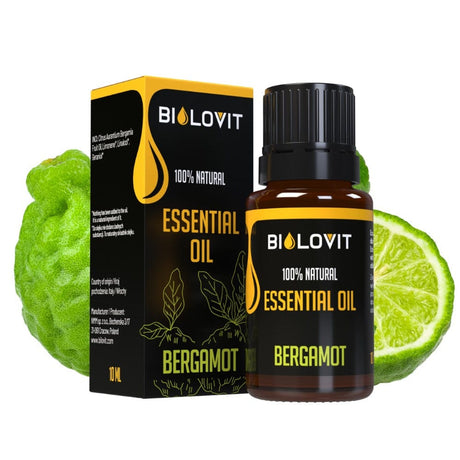
Naturalne Aromaty Bergamočių eterinis aliejus - 10 ml
Įprasta kaina €2.29Vieneto kaina€229.00 /l
Naturalne Aromaty
Naturalne Aromaty Eterinis aliejus Greipfrutų - 10 ml
Įprasta kaina €1.99Vieneto kaina€1.99 /10 ml


Šis straipsnis yra tik informacinio pobūdžio ir nepakeičia gydytojo konsultacijos. Jei turite sveikatos problemų, esate nėščia, maitinate krūtimi ar vartojate vaistus, pasitarkite su gydytoju arba vaistininku. Maisto papildai nepakeičia įvairios mitybos.


