

Guggul – tai dervingas ekstraktas, gaunamas iš Commiphora mukul medžio – nedidelio, dygliuoto augalo, paplitusio Indijos subkontinente ir kai kuriose Artimųjų Rytų dalyse. Guggul, naudojamas ajurvedinėje medicinoje beveik tris tūkstančius metų, sulaukė vis didesnio mokslininkų susidomėjimo dėl savo galimo poveikio lipidų apykaitai, širdies ir kraujagyslių sveikatai bei uždegimui. Supratimas, kas yra guggul, ką sako moksliniai tyrimai ir kaip jį saugiai vartoti, yra pradinis taškas kiekvienam, kuris svarsto apie šį tradicinį augalinį preparatą.
Kas yra guggul ir iš kur jis kilęs?
Commiphora mukul (, taip pat žinomas kaip Commiphora wightii), priklauso Burseraceae šeimai — tai ta pati botaninė šeima kaip ir smilkalai bei mirra — ir užauga iki maždaug keturių metrų aukščio. Mediciniškai vertinga dalis yra aliejinga derva, žinoma kaip guggulu derva, kuri išgaunama iš įpjovimų medžio žievėje. Be terapinių pritaikymų, aromatinė derva naudojama smilkalų ir kvepalų gamyboje.
Standartizuotas ekstraktas, naudojamas šiuolaikiniuose maisto papilduose, yra koncentruotas pagal pagrindinius aktyvius junginius: guggulsteronus, konkrečiai E ir Z izomerus. Dauguma komerciškai prieinamų maisto papildų yra standartizuoti iki 2,5 % guggulsteronų, o tai reiškia, kad tipinė kapsulė vienoje porcijoje suteikia apie 15 mg šių veikliųjų junginių.
Pagrindinės savybės ir tradiciniai naudojimo būdai
Riebalų apykaita ir širdies bei kraujagyslių sistemos palaikymas
Dažniausiai tiriamas guggulo poveikis yra jo įtaka riebalų apykaitai. Manoma, kad guggulsteronai veikia tulžies rūgščių receptorius kepenyse, taip įtakodami cholesterolio sintezę ir išsiskyrimą. Tradicinėje ajurvedos praktikoje, guggul jau seniai naudojamas sveikam kraujo lipidų lygiui palaikyti. Kai kurie tyrimai rodo galimą naudą LDL cholesterolio ir trigliceridų atžvilgiu, nors tyrimų rezultatai yra nevienareikšmiški ir prieš darant tvirtas išvadas reikalingi tolesni klinikiniai įrodymai.
Guggul tradiciškai taip pat laikomas palaikančiu bendrą širdies ir kraujagyslių funkciją, turinčiu priešuždegiminių savybių, kurios gali prisidėti prie kraujagyslių sveikatos. Tiems, kurie domisi platesniu požiūriu į širdies ir kraujagyslių sveikatą, mūsų širdies ir kraujagyslių papildų kolekcija siūlo įvairių papildomų pasirinkimų.
Priešuždegiminis poveikis ir sąnarių sveikata
Guggulsteronai turi įrodyto priešuždegiminio poveikio, kuris pagrindžia tradicinį šio augalo naudojimą ligose, susijusiose su lėtiniu uždegimu. Ajurvedos praktikoje, guggul preparatai istoriškai buvo naudojami sąnarių komfortui palaikyti tokiomis ligomis kaip osteoartritas ir reumatoidinis artritas. Siūlomas mechanizmas apima tam tikrų prouždegiminių kelių slopinimą, nors klinikiniai įrodymai žmonėms tebėra preliminarūs. Sąnarių ir kaulų palaikymui, žr. mūsų kaulų, sąnarių ir kremzlių kolekciją.
Skydliaukės ir medžiagų apykaitos funkcijos
Guggulsteronai gali daryti įtaką skydliaukės hormonų apykaitai, stimuliuodami jodo įsisavinimą skydliaukėje ir didindami T4 konversiją į aktyvesnį T3. Ajurvedos tradicijoje, šis skydliaukę stimuliuojantis poveikis siejamas su guggulo vaidmeniu palaikant medžiagų apykaitą ir kūno svorio valdymą. Ši savybė taip pat yra viena iš pagrindinių guggulo kontraindikacijų – jo reikėtų vengti esant hipertiroidizmui ar tirotoksikozei.
Odos sveikata
Guggulo priešuždegiminės ir antimikrobinės savybės sukėlė susidomėjimą jo naudojimu spuogams linkusiai odai. Kai kurie preliminarūs tyrimai, ypač kai guggulas vartojamas kartu su kitais pagalbiniams junginiais, rodo, kad jis gali padėti sumažinti uždegiminius spuogų pažeidimus. Tai atspindi jo ajurvedinį panaudojimą, kur guggul jau seniai įtraukiamas į preparatus, skirtus odos švarumui ir barjero palaikymui.
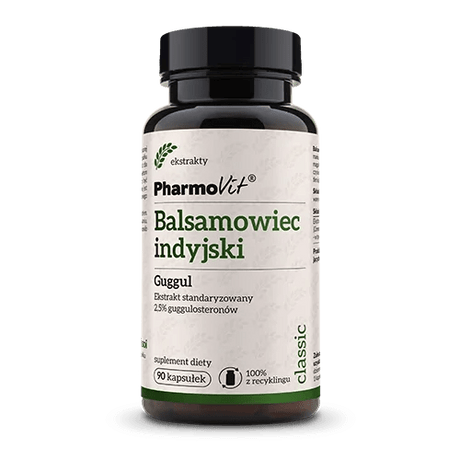
Pharmovit
Pharmovit Indijos balzamas (Guggul) - 90 kapsulių
Įprasta kaina €10.09Vieneto kaina€0.11 už kiekvieną
Guggul kartu su kitomis žolėmis
Klasikinėje ajurvedoje, guggul retai naudojamas kaip atskira žolė. Viena iš geriausiai žinomų tradicinių formulių yra „Triphala Guggulu“ — guggulo ir „Triphala“ ((trijų vaisių mišinio),) derinys, istorijoje naudotas uždegimui, oksidaciniam stresui, ir padidėjusiam kraujo lipidų kiekiui gydyti. Kitas dažnas derinys – guggul su guduchi, neem, ciberžole, ir Triphala, daugiausia taikomas odos ligoms, įskaitant spuogus.
Verta paminėti, kad šiuolaikiniai klinikiniai tyrimai nenustatė optimalaus guggul dozavimo kombinuotuose preparatuose jokiai konkrečiai ligai. Derinant augalinius papildus, patartina pasikonsultuoti su kvalifikuotu specialistu, o ne savarankiškai skirti sudėtingus žolinius gydymo protokolus.
Papildomi papildai lipidų ir širdies bei kraujagyslių sveikatai
Guggul yra vienas iš kelių augalinių ir mitybos variantų, tradiciškai siejamų su sveikais riebalų apykaitos procesais. Berberinas, – alkaloidas, randamas keliuose vaistiniuose augaluose, turi gerai ištirtą poveikį lipidų ir gliukozės apykaitai ir kartais vartojamas kartu su mitybos ir gyvenimo būdo pokyčiais. Bergamotės ekstraktas turi polifenolių, kurių naujausi duomenys rodo naudą širdies ir kraujagyslių sistemai. Niacinas (vitaminas B3) prisideda prie normalaus riebalų apykaitos kaip dalis jo nustatytų fiziologinių funkcijų. Tiems, kurie kuria platesnę širdies ir kraujagyslių sistemą palaikančią papildų rutiną, gali būti naudinga išnagrinėti šias galimybes kaip dalį įrodymais pagrįsto požiūrio. Peržiūrėkite visą žolelių kolekciją, kad rastumėte daugiau augalinės kilmės pasirinkimų.
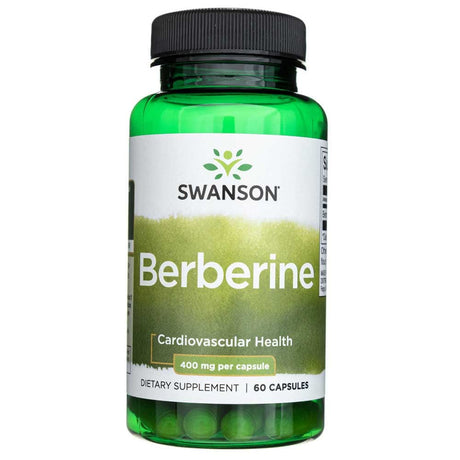


Swanson
Swanson Berberinas 400 mg - 60 kapsulių
Įprasta kaina €16.59Vieneto kaina€0.28 už kiekvieną


 10% nuolaida
Vitaler's
Vitaler's „“ berberino (barberio) 400 mg – 60 kapsulių
Akcijos kaina €9.35 Įprasta kaina €10.39Vieneto kaina€0.16 už kiekvieną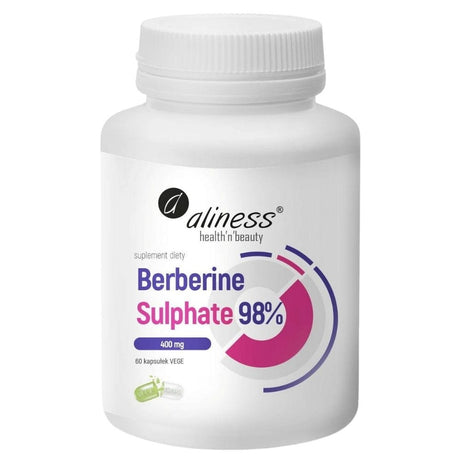
Aliness
Aliness Berberino sulfatas 98% 400 mg - 60 kapsulių
Įprasta kaina €17.29Vieneto kaina€0.29 už kiekvieną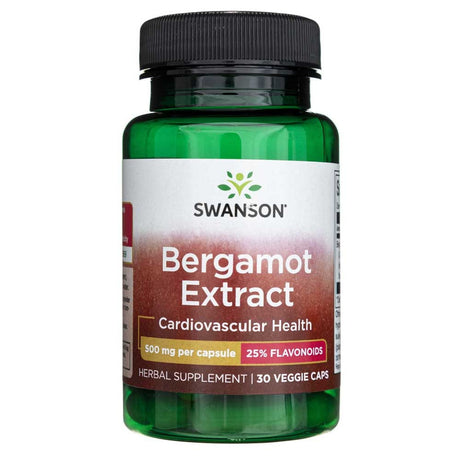


Swanson
Swanson Bergamočių ekstraktas 500 mg - 30 kapsulių
Įprasta kaina €9.99Vieneto kaina€0.33 už kiekvieną


Now Foods
Now Foods Cholesterol Pro - 120 tablečių
Įprasta kaina €50.89Vieneto kaina€0.42 už kiekvieną


Guggul dozavimas ir vartojimas
Standartinis guggul papildų dozavimas svyruoja plačiai – nuo maždaug 40 mg iki 600 mg ekstrakto per dieną, priklausomai nuo preparato – tačiau ajurvedos tradicijoje dažniausiai nurodoma dozė atitinka standartizuotą papildą, suteikiantį apie 25 mg guggulsteronų per dieną. Paprastai rekomenduojama vartoti po 1 kapsulę du kartus per dieną valgio metu, tačiau tai priklauso nuo produkto. Visada laikykitės gamintojo nurodytų dozavimo rekomendacijų ir neviršykite rekomenduojamo kiekio.
Tradicinėse ajurvedos procedūrose guggul dažnai vartojamas 3–4 savaičių ciklais, su pertraukomis tarp kursų. Ilgalaikis nepertraukiamas vartojimas be gydytojo priežiūros nerekomenduojamas.
Šis straipsnis yra tik informacinio pobūdžio ir nepakeičia gydytojo konsultacijos. Jei turite sveikatos problemų, esate nėščia, maitinate krūtimi ar vartojate vaistus, pasitarkite su gydytoju arba vaistininku. Maisto papildai nepakeičia įvairios mitybos.


