

Topinambūras (Helianthus tuberosus L.) yra augalas, gerai žinomas tiek sodininkystės entuziastams, tiek sveikatos priežiūros specialistams. Nors jis dažnai žavimas dėl savo aukštų, saulėgrąžų žiedų, jo tikroji vertė slypi po žeme — krakmolinguose, skaniuose gumbuose, kurie vis labiau domina mitybos specialistus, farmakologus, ir maisto mokslininkus visame pasaulyje. Ekspertai iš esmės sutaria, kad žinios apie šį nuostabų augalą tik dabar pradeda pasivyti tai, ką jau rodo moksliniai tyrimai. Taigi, kas daro topinambūrą tokį išskirtinį? Kas yra topinambūras? Topinambūras — taip pat plačiai žinomas kaip topinambur — yra kilęs iš Šiaurės Amerikos ir į Europą buvo įvežtas XVII a., o Lenkijos botanikos įrašuose pasirodė jau apie 1730 m. Nepaisant egzotiškai skambančio pavadinimo, jis jau seniai yra Europos vietinės floros dalis. Augalą auginti nepaprastai lengva: jis nereiklus, prisitaiko prie įvairių sąlygų, ir atsinaujina kasmet.
Naudojamos visos augalo dalys. Gumbai naudojami farmacijos, maisto, ir kosmetikos gamybai; žalia biomasė gali būti naudojama biodujų gamybai; o džiovinti stiebai – kietųjų biokuro rūšių gamybai. Šis universalumas, kartu su išskirtinėmis maistinėmis savybėmis, yra priežastis, kodėl topinambas ir toliau traukia įvairių sričių mokslininkų dėmesį.
Kas yra topinambų viduje?
Helianthus tuberosus gumbai buvo vieni iš pirmųjų maisto šaltinių, kuriuos vartojo Šiaurės Amerikos čiabuviai — iš pradžių jie buvo vertinami dėl sotaus, saldaus, ir riešutų skonio. Mokslas atskleidė žymiai išsamesnį šio augalo sudėties vaizdą. Gumbuose yra platus spektras maistiniu požiūriu svarbių junginių, įskaitant fruktozę, maltozę, sacharozę, fruktooligosacharidus, celiuliozę, inuliną, baltymus, amino rūgščių, sveikų riebalų, vitaminų, maistinių skaidulų ir įvairių mineralų, tarp kurių yra kalio, silicio, cinko, fosforo ir geležies.
Be šių pagrindinių maistinių medžiagų,, topinambai turi keletą junginių, pasižyminčių pastebimu biologiniu aktyvumu: kumariną, kumarino rūgštį, salicilo rūgštį, cinamono rūgštį, seskviterpenus, fitosterolius, lecitiną, ir choliną. Šis derinys daro jį vienu iš farmakologiškai sudėtingiausių augalinių maisto produktų.
Sveikatingumo savybės: ką rodo tyrimai
Jeruzalės artišoko daugiafunkcinis farmakologinis poveikis tradicinėje medicinoje pripažįstamas jau ištisus kartus. Šiuolaikiniai tyrimai dabar pateikia aiškesnį šių poveikių mechanizmų vaizdą. Reguliarus vartojimas gali prisidėti prie virškinimo sutrikimų ir širdies bei kraujagyslių ligų valdymo, palaikyti kepenų ir inkstų funkciją, sulėtinti ląstelių senėjimą, ir padėti surišti bei pašalinti kenksmingas medžiagas iš organizmo.
Tyrimai taip pat patvirtino priešgrybelines savybes, imuninę sistemą stiprinantį poveikį, ir gebėjimą pagerinti geležies, kalcio, bei magnio įsisavinimą ir stabilumą. Kai suvartojama pakankamais kiekiais, augalas fermentuojasi žarnyne, gaminant trumpagrandines riebalų rūgštis — acto, propiono, pieno ir sviesto rūgštis — kurios maitina žarnyno ląsteles, teigiamai veikia bendrą organizmo medžiagų apykaitą, mažina žarnyno pH ir slopina patogeninių mikroorganizmų augimą. Be to, mokslininkai pastebėjo ryšį tarp reguliaraus topinambūro vartojimo ir padidėjusio žarnyno epitelio ląstelių skaičiaus.
Topinambūrai ir inulinas: svarbus ryšys
Iš visų topinambų sudėtyje esančių junginių, ypatingą dėmesį nusipelno inulinas. Inulinas yra fruktozanų grupės polisacharidas – natūraliai randama prebiotinė ląsteliena, kuri selektyviai stimuliuoja naudingų žarnyno bakterijų augimą, ypač Bifidobacterium ir Lactobacillus rūšių. Šios bakterijos savo ruožtu veiksmingai slopina žalingų patogenų dauginimąsi, reguliuoja žarnyno peristaltiką, gerina žarnyno kraujotaką, ir stimuliuoja žarnyno imuninę sistemą. Mityba, turtinga inulinu, skatina rūgštis gaminančių bakterijų vystymąsi ir slopina puvimo mikroorganizmus, atsakingus už virškinimo sutrikimus, įskaitant vidurių pūtimą, kolitą, žarnyno polipus ir opas. Topinambų gumbai yra vienas iš turtingiausių žinomų natūralių inulino šaltinių – jo kiekis gali siekti iki 19 % sausosios masės, todėl jis laikomas vertingiausiu iš šio augalo gaunamu produktu. Inulino preparatai yra patvirtinti neribotam vartojimui daugumoje ES valstybių narių ir Jungtinėse Amerikos Valstijose.
Inulinas ir cukraus kiekio kraujyje reguliavimas
Inulinas organizme natūraliai virsta fruktoze, todėl jį gali vartoti diabetu sergantys žmonės, nes jis turi mažesnę energetinę vertę nei sacharozė, tačiau suteikia panašų saldumo pojūtį. Svarbiausia, kad inulinas sulėtina cukrų iš maisto įsisavinimą, sumažina maisto glikemijos indeksą ir padeda stabilizuoti gliukozės koncentraciją kraujyje – todėl topinambas yra tikrai funkcinis maistas, naudingas medžiagų apykaitos sveikatai, o ne tik madingas maisto papildų ingredientas.
Naudojimas ir pritaikymas įvairiose sveikatos srityse
Topinambų terapinis ir funkcinis pritaikymas apima keletą sveikatos sričių. Reguliarus vartojimas gali prisidėti prie stabilizuotos gliukozės koncentracijos kraujyje, reguliuojamo kraujospūdžio, ir pagerintos virškinimo funkcijos. Jis buvo tiriamas storosios žarnos sutrikimų kontekste ir kaip apsauginis priedas ilgalaikės farmakoterapijos metu. Šis augalas taip pat padeda mažinti LDL cholesterolio kiekį, trukdydamas jo įsisavinimui plonojoje žarnoje.
Topinambas stiprina imuninę sistemą, veikia kaip švelnus kepenų apsauginis agentas, mažina šlapimo takų infekcijų riziką, ir stiprina skrandžio funkciją. Didelis vitaminų, mineralų, ir biologiškai aktyvių junginių kiekis taip pat turi kosmetinę reikšmę – kosmetikos pramonė vis dažniau tiria šį augalą kaip žaliavą, turinčią potencialą odos ir plaukų priežiūrai.
Topinambai ir svorio valdymas
Produktai, kurių sudėtyje yra inulino, rekomenduojami tiems, kurie laikosi kalorijų ribojančios arba mažai riebalų ir cukraus turinčios dietos. Topinambai yra mažai kaloringi ir turi įrodytą apetito slopinimo poveikį – tai inulino ir celiuliozės, veikiančių kaip užpildai žarnyne, rezultatas. Naujausi tyrimai taip pat nustatė stiprų ryšį tarp žarnyno mikrobiotos pusiausvyros ir metabolinių ligų, įskaitant nutukimą, hiperlipidemiją, bei 2 tipo cukrinį diabetą, patogenezės. Topinambų prebiotinis poveikis tiesiogiai veikia šį mikrobiologinį metabolinės sveikatos aspektą ir juos galima saugiai vartoti net esant tokioms ligoms kaip aterosklerozė, hiperlipidemija, diabetas, dirgliosios žarnos sindromas, ir disbiozė.
Mitybinė vertė: kas yra 100 g gumbų
Topinambas klasifikuojamas kaip funkcinis maistas — maistas, kuris teikia išmatuojamą naudą vienai ar kelioms organizmo funkcijoms, viršijančią pagrindinį maitinimą. 100 g žalių gumbų, augalas suteikia maždaug 73 kcal, 2 g baltymų, 17,4 g angliavandenių, 1,6 g maistinių skaidulų, ir žymius kiekius kalio (429 mg), geležies (3,4 mg), fosforo (78 mg), ir magnio (17 mg). Jame esančių vitaminų sąrašą sudaro tiaminas, riboflavinas, niacinas, pantoteno rūgštis, B6, vitaminas C, vitaminas E, vitaminas K, ir beta-karotinas. Tai tikrai maistingas maistas, atsižvelgiant į jo kaloringumą.
Topinambus yra labai rekomenduotinas – jame yra biochemiškai aktyvių junginių, kurių veiksmingumas patvirtintas išsamiomis tyrimų duomenimis, jis turi platų sveikatos pritaikymų spektrą, ir yra lengvai prieinamas tiek kaip maisto produktas, tiek kaip maisto papildų ingredientas. Tiems, kurie nori palaikyti savo virškinimo mikrobiomą, galite susipažinti su mūsų visais probiotikais ir prebiotikų papildais, įskaitant variantus, kuriuose inulinas derinamas su probiotinėmis kultūromis sinbiotiniam poveikiui pasiekti.
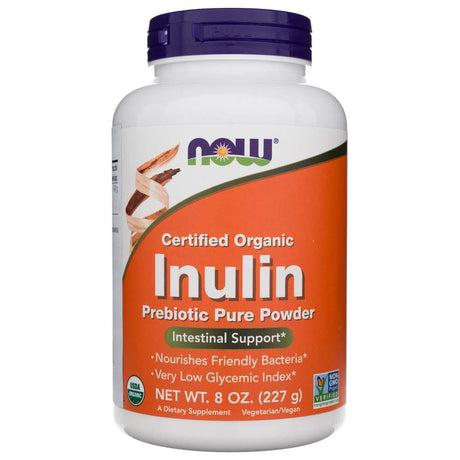


Now Foods
Now Foods Inulinas Prebiotikas Grynas milteliai, Ekologiškas - 227 g
Įprasta kaina €12.09Vieneto kaina€53.26 /kg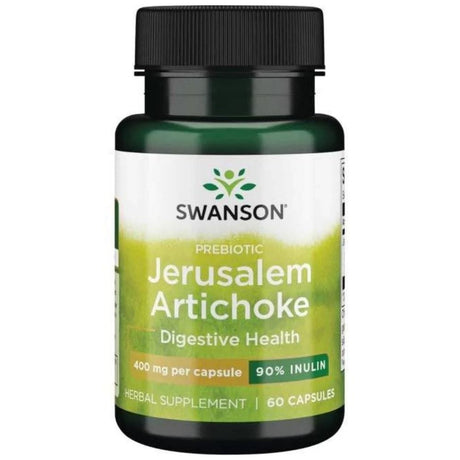


Siekiant užtikrinti platesnę žarnyno ir medžiagų apykaitos paramą — įskaitant cholesterolio reguliavimą, kepenų apsaugą, ir virškinimo sistemos sveikatą — šie produktai puikiai tinka kartu su topinambų turtinga mityba. Platesnį asortimentą rasite mūsų kategorijose „Virškinimo sistema“ () ir „Detoksikacija ir valymas“ ( https://medpak.shop/collections/detox-cleanse">).


Now Foods
Now Foods Artišoko ekstraktas 450 mg - 90 kapsulių
Įprasta kaina €14.59Vieneto kaina€0.16 už kiekvieną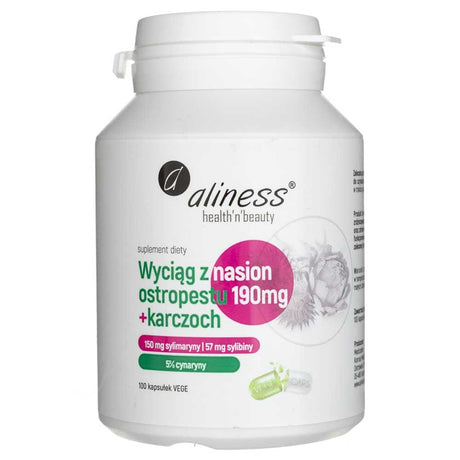


Aliness
Aliness Pieno raktažolių sėklų ekstraktas + artišokas - 100 kapsulių
Įprasta kaina €11.59Vieneto kaina€0.12 už kiekvieną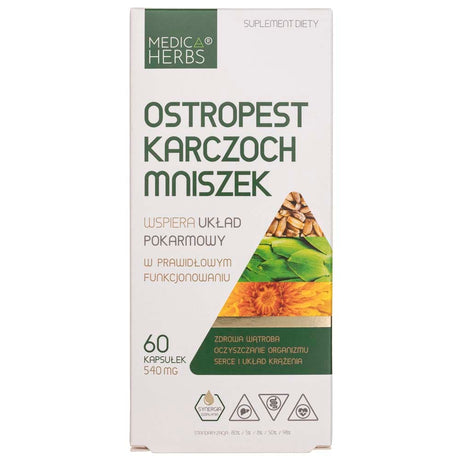


Medica Herbs
Medica Herbs Dirvinis asiūklys artišokas, kiaulpienės 540 mg - 60 kapsulių
Įprasta kaina €6.19Vieneto kaina€0.10 už kiekvieną

Progress Labs
Progress Labs Colesterolo + Prebiotico - 120 Capsule
Įprasta kaina €14.29Vieneto kaina€0.12 už kiekvieną


Aura Herbals
Aura Herbals „Liver Support“ – 60 kapsulių
Įprasta kaina €11.19Vieneto kaina€0.19 už kiekvieną
Aliness
BeOrganic Cholesterolis BIO (Raudonieji ryžiai, Artišokas) - 100 tablečių
Įprasta kaina €12.09Vieneto kaina€0.12 už kiekvieną


Šis straipsnis yra tik informacinio pobūdžio ir nepakeičia gydytojo konsultacijos. Jei turite sveikatos problemų, esate nėščia, maitinate krūtimi ar vartojate vaistus, pasitarkite su gydytoju arba vaistininku. Maisto papildai nepakeičia įvairios mitybos.


