

Rožių žiedlapių uogienė – tai vienas iš tų skonių, kurie tikrai nuneša jus į kitą pasaulį – subtilus gėlių saldumas ir nuostabi rausva spalva, kuri jau šimtmečius puošia stalus nuo Artimųjų Rytų iki Vidurio Europos. Šiame praktiniame vadove rasite viską, ką reikia žinoti: kokias rožių veisles naudoti, kada ir kaip skinti žiedlapius, bei du išbandytus receptus – vieną klasikinį, ir vieną be cukraus – kad galėtumėte drąsiai gaminti uogienę namuose.
Kokios rožių veislės geriausiai tinka uogienei?
Ne visos rožės yra vienodos, kai kalbama apie virtuvę. Dvi veislės išsiskiria kaip geriausios žiedlapių uogienei gaminti.
Rosa rugosa (rugosa rožė arba raukšlėtoji rožė) duoda didelius, pilnus žiedus su intensyviai saldžiu aromatu ir storais žiedlapiais Enough, kurie gerai išlaiko formą virimo metu. Rosa damascena (damaskinė rožė) yra klasikinis pasirinkimas kulinarijoje visame Artimuosiuose Rytuose ir Balkanuose — jos žiedlapiai turi subtilesnį, niuansuotą aromatą, kuris puikiai atsiskleidžia uogienėse. Abi veislės yra visiškai saugios vartoti maistui, o tai svarbu, kai gėlėmis ne tik grožitės, bet ir gaminate maistą.
Be uogienių, tos pačios rožių rūšys jau šimtmečius vertinamos dėl didelio vitamino C kiekio ir naudingų augalinių junginių. Rožių vaisiai – po žiedo susiformuojantys vaisiai – yra vieni iš turtingiausių natūralių vitamino C šaltinių, todėl rožių vaisiai tapo populiariu ingredientu https://medpak.shop/collections/vitamin-c"> vitamino C papilduose. Ryšys tarp gėlės ant jūsų stalo ir maisto papildo jūsų spintelėje yra glaudesnis, nei dauguma žmonių įsivaizduoja.
Kada ir kaip skinti rožių žiedlapius
Laikas yra labai svarbus. Geriausi žiedlapiai gaunami iš gėlių, nuskintų anksti ryte, kai rasa jau išgaravo, bet dar nepakilo saulė ir karštis nepradėjo išgarinti lakiųjų aromatinių junginių. Reikia rinktis gėles, kurios tik pradėjo žydėti — ne uždarus pumpurus, ir ne žiedus, kurie jau visiškai išsiskleidę ir pradeda vytis. Derliaus sezonas paprastai trunka nuo birželio iki rugpjūčio, o daugelyje Europos šalių jis pasiekia piką birželio pabaigoje.
Rinkitės tik gilios spalvos žiedlapius, be dėmių, įplėšimų ar kenkėjų pažeidimų požymių, kurie intensyviai kvepia. Rožė, kuri sode nekvepia, duos uogienę, kuri ant skrudintos duonos neturės jokio skonio. Nuskynus, žiedlapius apdorokite kuo greičiau — jie greitai genda. Jei turite juos laikyti, laikykite sandariai uždarytame inde šaldytuve ne ilgiau kaip 24 valandas, arba užšaldykite (nors užšaldymas šiek tiek sumažina aromatą).
Vienas paruošimo etapas yra privalomas: prieš virimą, nupjaukite arba nuskinkite kiekvieno žiedo baltą arba šviesiai geltoną pagrindą – tą dalį, kuri jungiasi su gėlės centru. Šiose bazėse yra kartumo junginių, kurie sugadins gatavo uogienės skonį, jei bus palikti.
Klasikinis rožių žiedlapių uogienės receptas
Šiame tradiciniame recepte naudojami tik keturi ingredientai, o kantrybė atlyginama nuostabiai kvepiančia, brangakmenių spalvos uogiene. Virimo metu virtuvėje sklis nepakartojamas aromatas.
Ingredientai (užtenka maždaug 2 mažoms stiklainėms)
- 200 g šviežių rožių žiedlapių (be baltų pagrindo dalių)
- 500 g granuliuoto cukraus
- 1 litras vandens
- 1 citrinos sultys
Paruošimas
- Paruoštus žiedlapius švelniai nuplaukite šaltu vandeniu ir nusausinkite.
- Didelėje keptuvėje, sumaišykite vandenį ir cukrų vidutinėje ugnies temperatūroje, maišydami, kol cukrus visiškai ištirps. Užvirinkite.
- Į sirupą įdėkite žiedlapius ir citrinų sultis. Citrinų sultys atlieka dvi funkcijas: pagyvina skonį ir padeda išsaugoti rožinę spalvą.
- Sumažinkite ugnį ir virkite be dangčio 30–40 minučių, dažnai maišydami. Žiedlapiai palaipsniui taps permatomi, o sirupas sutirštės.
- Norėdami patikrinti, ar sirupas sutirštėjo,, užpilkite nedidelį šaukštelį ant šalto lėkštės – po minutės, palietus pirštu, jis turėtų susiraukšlėti. Jei ne,, toliau troškinkite.
- Nedelsdami supilkite į sterilizuotus stiklainius,, sandariai užsukite, ir apverskite kelioms minutėms, prieš paliekant atvėsti vertikaliai.
Be cukraus rožių žiedlapių uogienė
Jei norite lengvesnės uogienės – su mažiau cukraus, ir artimesnės natūraliam žiedlapių skoniui – ši pektino pagrindu pagaminta versija yra puiki alternatyva.
Ingredientai
- 200 g šviežių rožių žiedlapių (be baltų pagrindo dalių)
- 1 litras vandens
- 1 citrinos sultys
- 2 arbatiniai šaukšteliai natūralaus pektino
- 4 šaukštai medaus (pasirinktinai, pagal skonį)
Paruošimas
- Nuplaukite žiedlapius ir sudėkite į puodą su vandeniu bei citrinos sultimis.
- Virkite ant mažos ugnies 20–30 minučių, kol žiedlapiai suminkštės, o skystis taps aromatingas ir šiek tiek nusidažys.
- Įberkite pektiną ir intensyviai maišykite, kad nesusidarytų gumulėlių. Toliau virkite dar 10 minučių.
- Nuimkite nuo ugnies. Jei naudojate medų, įmaišykite jį dabar – įdedant jį nuėmus nuo ugnies, išsaugoma daugiau jo subtilaus skonio ir naudingų medžiagų.
- Supilkite į sterilizuotus stiklainius ir užsandarinkite.
Kodėl rožių žiedlapių uogienė kartais turi kartumo?
Dažniausia priežastis yra paprasta: prieš virimą nebuvo visiškai pašalinti balti žiedlapių pagrindai. Juose yra kartaus skonio fenolinių junginių, kurie ilgai troškinant išsiskiria į uogienę. Net keli nepriežiūrėti pagrindai 200 g partijoje gali pastebimai paveikti skonį.
Antra priežastis – virimas per aukštoje temperatūroje. Kai uogienė virinama intensyviai, o ne švelniai, cukrus karamelizuojasi, o subtilūs aromatiniai junginiai žiedlapiuose išgaruoja, palikdami grubesnį, šiek tiek degintą saldumą. Žemai ir lėtai visada gaunami geresni rezultatai gaminant uogienes iš gėlių.
Rožių žiedlapių uogienės naudojimo būdai
Rožių žiedlapių uogienė yra universalesnė, nei gali atrodyti iš pirmo žvilgsnio. Akivaizdūs naudojimo būdai – tepti ant skrudintos duonos, maišyti su jogurtu, naudoti kaip pyragų ar konditerijos gaminių įdarą – visi yra puikūs. Tačiau yra ir mažiau tikėtinų naudojimo būdų, kuriuos verta išbandyti: šaukštas, įmaišytas į karštą arbatą, suteikia jai subtilų gėlių šilumą; jis stebėtinai gerai dera tiek su kietais brandintais sūriais, tiek su šviežiais minkštais sūriais; o šaukštelis, sumaišytas su braškių ir bananų kokteiliu, sukuria tikrai įdomų skonį.
Gėlių pasaulis, žinoma, driekiasi gerokai už virtuvės ribų,. Rožė jau seniai yra viena iš labiausiai vertinamų sudedamųjų dalių aromaterapijoje, o iš tų pačių rožių veislių, naudojamų uogienei, išgauti eteriniai aliejai yra vieni iš labiausiai vertinamų natūralių kvapų pasaulyje. Jei norite rožių aromatą įtraukti į kitas savo kasdienio gyvenimo sritis, susipažinkite su mūsų eterinių aliejų kolekcija.
Rožių vaisiai: maistinė rožių pusė
Nors šio receptų vadovo, dėmesio centre yra rožių žiedlapiai, verta paminėti, kad rožių augalas, nužydėjus gėlėms, siūlo dar vieną nuostabią dovaną: vaisius. Rožių vaisiai – maži, raudoni vaisiai, susiformuojantys po to, kai nukrenta žiedlapiai – yra ypač turtingi vitaminu C, dažnai minimu kaip vienas iš labiausiai koncentruotų augalinių šaltinių. Juose taip pat yra vitamino A, vitamino K, ir įvairių polifenolių, turinčių antioksidacinių savybių.
Istoriškai, rožių uogų uogienė ir sirupas buvo naudojami visoje Šiaurės ir Vidurio Europoje kaip vitamino C šaltinis žiemos mėnesiais, kai šviežių vaisių trūkdavo. Toda ir, standartizuotas erškėtuogių ekstraktas yra populiarus ingredientas vitamino C papilduose — dažnai derinamas su bioflavonoidais, siekiant pagerinti įsisavinimą. Jei jus traukia rožė dėl jos naudingų savybių sveikatai ir skonio, verta išbandyti šiuos produktus:
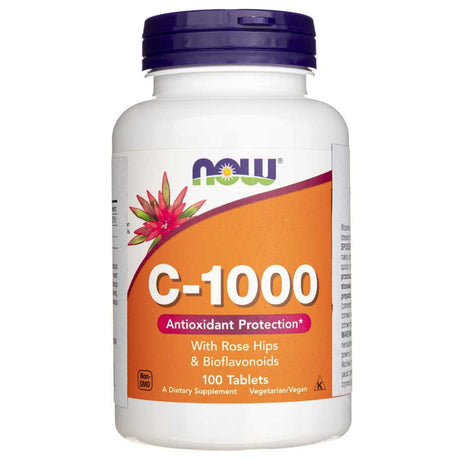


Now Foods
Now Foods Vitaminas C-1000 su rožių klubais ir bioflavonoidais - 100 tablečių
Įprasta kaina €10.19Vieneto kaina€0.10 už kiekvieną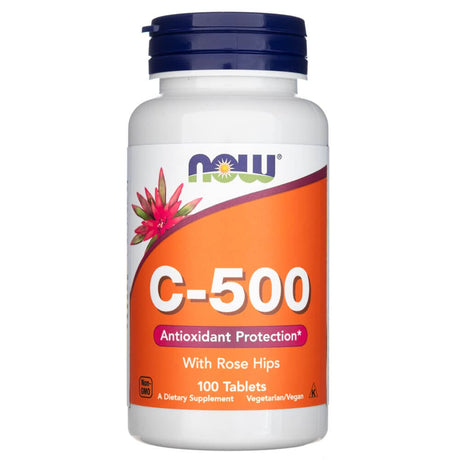


Now Foods
Now Foods Vitaminas C-500 su erškėtuogėmis - 100 tablečių
Įprasta kaina €6.29Vieneto kaina€0.06 už kiekvieną


Swanson
Swanson Vitaminas C su rožių klubais 1000 mg - 90 kapsulių
Įprasta kaina €7.09Vieneto kaina€0.08 už kiekvieną


Vitaler's
Vitaler's Vitaminas C su erškėtuogėmis 1000 mg - 60 kapsulių
Įprasta kaina €4.69Vieneto kaina€0.08 už kiekvieną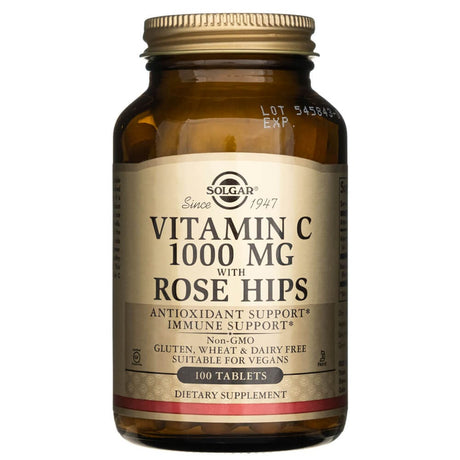


 6% nuolaida
Solgar
Solgar Vitaminas C 1000 mg su erškėtuogėmis – 100 tablečių
Akcijos kaina €14.26 Įprasta kaina €15.09Vieneto kaina€0.14 už kiekvieną


Rožė aromaterapijoje: Ne tik virtuvėje
Ta pati rūšis — ypač Rosa damascena —, iš kurios gaunami geriausi kulinariniai žiedlapiai, taip pat yra vienas iš labiausiai vertinamų eterinių aliejų natūralioje parfumerijoje ir aromaterapijoje. Rožių eterinis aliejus tradiciškai siejamas su emocine gerove, streso mažinimu, ir odos priežiūra. Susiję aliejai iš botaniniu požiūriu panašių augalų, pavyzdžiui, rožmedžio ir pelargonijos, turi kai kurias rožėms būdingas gėlių, ir pusiausvyrą atkuriančias savybes ir yra žymiai prieinamesni kainos atžvilgiu.
Jei norite pažinti aromatinę šios tradicijos pusę, tai yra gera pradžia:


Naturalne Aromaty
Naturalne Aromaty Rožių medžių eterinis aliejus - 12 ml
Įprasta kaina €4.39Vieneto kaina€365.83 /l 7% nuolaida
Naturalne Aromaty
Naturalne Aromaty Geranijų eterinis aliejus - 10 ml
Akcijos kaina €3.79 Įprasta kaina €4.09Vieneto kaina€37.90 /100 ml


Šis straipsnis yra tik informacinio pobūdžio ir nepakeičia gydytojo konsultacijos. Jei turite sveikatos problemų, esate nėščia, maitinate krūtimi ar vartojate vaistus, pasitarkite su gydytoju arba vaistininku. Maisto papildai nepakeičia įvairios mitybos.


