

Tinkama plaukų priežiūra – tai ne tik šampūnas ir kondicionierius. Kasdieninėje rutinoje dažniausiai dėmesys skiriamas plaukų ilgumui ir galiukams – matomai daliai, – o galvos oda dažniausiai lieka nepastebėta. Tai didelė klaida. Galvos oda yra gyva oda: joje yra plaukų folikulai, riebalinės liaukos, ir mikrobiomas, kuris tiesiogiai lemia plaukų kokybę ir augimą. Jei ją ignoruosite, pasekmės pasireikš blizgiais, silpnais, retėjančiais plaukais, nuolatiniu pleiskanavimu arba pernelyg dideliu plaukų slinkimu. Plaukų masažai – tiksliniai galvos odos gydymo būdai, taikomi tiesiai ant odos – padeda išspręsti būtent šią problemą. Štai kas tai yra, kaip jie veikia, ir kaip juos veiksmingai naudoti.
Kas yra plaukų masažo priemonė?
Plaukų masažo priemonė (, dar vadinama galvos odos toniku arba galvos odos serumu), yra nenuplaunama priemonė, sukurta specialiai tiesioginiam naudojimui ant galvos odos, o ne plaukų ilgumo. Šie produktai yra sukurti remiantis aktyviais augaliniais ingredientais: augalų ekstraktais, žolelėmis, ir kartais tiksliniais junginiais, tokiais kaip kofeinas, rozmarino ekstraktas, ar varnalėšos šaknis. Skirtingai nei kondicionierius ar kaukė, plaukų masažinis preparatas yra sukurtas įsiskverbti į pačią galvos odą, tiesiogiai tiekiant maistines medžiagas į plaukų folikulus ir juos supančius audinius.
Forma skiriasi priklausomai nuo produkto: kai kurie yra lengvi skysčiai su pipetės aplikatoriumi, kiti – purškikliai su pompa arba ampulės. Jų bendras bruožas yra koncentracija – tai nėra nuplaunami produktai, o jų veikliosios medžiagos yra suformuluotos taip, kad ilgai liktų sąlytyje su galvos oda Enough ir atliktų naudingą veikimą.
Ką iš tikrųjų daro plaukų įtrinimai
Gerai suformuluotas galvos odos gydymas veikia keliuose lygmenyse vienu metu. Jis maitina galvos odos audinius ir kiekvieno plaukų folikulo svogūnėlį – struktūrą, iš kurios auga plauko stiebas. Jis padeda reguliuoti riebalų gamybą, o tai svarbu tiek tiems, kurių galvos oda riebi, tiek tiems, kurių galvos oda sausa ir pleiskanoja. Jis ramina sudirginimą ir mažina uždegimą, kuris dažnai yra nepakankamai įvertintas veiksnys, lemiantis plaukų retėjimą. Be to, gerindama galvos odos kraujotaką – ypač kai priemonė įtrinama masažuojant – ji aprūpina folikulus daugiau deguonies ir maistinių medžiagų.
Reguliarus galvos odos priežiūros priemonės naudojimas gali žymiai sumažinti plaukų slinkimą, palaikyti augimo ciklus, ir pagerinti bendrą plauko būklę, nes jis išauga iš sveikesnės folikulinės aplinkos. Trichologai dažnai rekomenduoja juos kaip pagrindinę priežiūros dalį visiems, kurie susiduria su difuziniu plaukų slinkimu, pleiskanomis, ar apskritai pažeista galvos oda. Rinktinę pasiūlą rasite mūsų plaukų aliejų, serumų ir purškiklių kolekcijoje.
Plaukų masažo priemonių rūšys: kokia forma jums tinka?
Be alkoholio formulės yra universaliausios ir geriausias pasirinkimas tiems, kurie dar tik pradeda naudoti galvos odos priežiūros priemones. Paprastai pagaminti vandens, hidrolato arba glikolio pagrindu, jie yra švelnūs ir tinka kasdieniam naudojimui ant švarios galvos odos. Jie neišsausina odos ir nesukelia dirginimo, todėl tinka jautriai ar reaktyviai galvos odai.
Alkoholio pagrindu pagaminti preparatai užtikrina aktyvių augalinių junginių gilesnį įsiskverbimą, kurį skatina šildantis, ir kraujagysles plečiantis alkoholio poveikis. Tačiau, juos reikėtų tepti dvi ar tris valandas prieš plovimą — nepalikti per naktį — nes ilgalaikis sąlytis gali išsausinti ir sudirginti galvos odą. Jie mažiau tinka jautriai odai.
Aliejiniai preparatai ir maceratai – įskaitant žolelių aliejus ir grynus nešiklius aliejus, pavyzdžiui, ricinos aliejų ar rozmarino aliejų – giliai maitina galvos odą ir išlygina plaukų stiebelį. Jie puikiai tinka sausai ir trapiai, bet mažiau tinka tiems, kurie kovoja su aktyviu plaukų slinkimu, nes sunkūs aliejai gali apsunkinti susilpnėjusius plaukus ir užkimšti folikulus, jei naudojami per daug.
Pagrindiniai ingredientai, kurių reikia ieškoti
Augalinis pasaulis siūlo gerai ištirtą ingredientų rinkinį galvos odos sveikatai. Rozmarino ekstraktas sulaukė tikro klinikinio susidomėjimo dėl savo vaidmens skatinant plaukų augimą, o kai kurie tyrimai rodo, kad jis palankiai lyginamas su minoksidiliu esant lengvam androgeniniam plaukų slinkimui — su žymiai mažesne dirginimo rizika. Kofeinas yra dar vienas gerai ištirtas junginys: įrodyta, kad jis įsiskverbia į folikulą ir gali neutralizuoti kai kuriuos DHT, poveikius – hormono, susijusio su folikulų miniatiūrizacija. Ožragė ir varnalėšos šaknis turi ilgą naudojimo tradiciją riebios galvos odos ir plaukų slinkimo atvejais. Dilgėlinė ir viksvuolė suteikia mineralų ir silicio dioksido, kurie palaiko plauko stiebo struktūrinį vientisumą.
Kai kuriuose plaukų tepalėliuose taip pat yra peptidų arba augimą skatinančių junginių, kurie tiesiogiai veikia folikulo ciklą. Jie dažniausiai randami sudėtingesnėse formulėse — ampulių formos priemonėse ir specializuotuose serumuose — ir yra geras pasirinkimas, kai paprastesni žolelių metodai nepakankami.
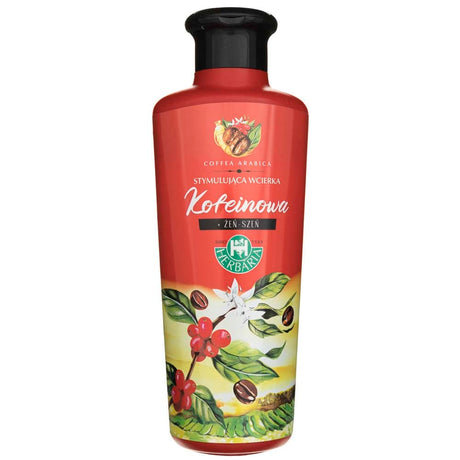


Herbaria
Herbaria Banfi kofeino ženšenio įtrinti - 250 ml
Įprasta kaina €12.89Vieneto kaina€51.56 /l


Some by Mi
Some by Mi Cica Peptide tonikas nuo plaukų slinkimo - 150 ml
Įprasta kaina €11.99Vieneto kaina€79.93 /l

As I Am
As I Am Scalp Serum Stiprinantis plaukų gydymas - 60 ml
Įprasta kaina €17.39Vieneto kaina€28.98 /100 ml


Kaip teisingai tepti plaukų aliejų
Teptimo technika yra svarbesnė, nei dauguma žmonių įsivaizduoja. Produktas turi pasiekti galvos odą — ne plaukų ilgį — ir jį reikia įtrinti tinkamu masažu. Štai procesas, kuris duoda geriausius rezultatus.
Suskirstykite plaukus į sekcijas, tada nedidelį kiekį priemonės tepkite tiesiai ant atidengtos galvos odos, dirbdami sekcija po sekcijos. Paprastai visai galvos odai pakanka apie 5 ml. Užtepę, pirštų galiukais (o ne nagais) švelniai masažuokite visą galvos odą mažiausiai tris–penkias minutes. Tai turi keletą tikslų: tolygiai paskirsto produktą, stimuliuoja kraujotaką galvos odos kapiliaruose, ir padeda veikliosioms medžiagoms įsigerti per odą. Kai kurie specialistai siūlo baigti procedūrą trumpai prabraukiant šiltu (, o ne karštu) plaukų džiovintuvu – švelnus karštis atveria poras ir skatina įsisavinimą.
Nenaudokite plaukų masažo priemonių ant drėgnų plaukų. Ant drėgnų plaukų, produktas UNS nuteka nuo galvos odos, nespėjęs įsigerti, ir labai mažai veikliosios medžiagos pasiekia folikulus. Prieš tepdami lengvus serumus, švelniai nusausinkite plaukus rankšluosčiu arba palaukite, kol jie bus tik drėgni, o aliejinius preparatus ir alkoholio turinčias formules tepkite ant visiškai sausos galvos odos.
Kaip dažnai, ir kada?
Daugumai žmonių, trys ar keturi naudojimo kartai per savaitę yra veiksmingas ir tvari tvarka. Kasdienis naudojimas yra idealus, jei produktas yra švelnus Enough ir jį galima toleruoti, o kai kurie lengvi vandens pagrindo serumai yra specialiai sukurti tokiam dažnumui. Svarbiausia yra nuoseklumas — galvos odos gydymui reikia keturių–šešių savaičių reguliaraus naudojimo, kol rezultatai tampa matomi, nes plaukų augimo ciklai vyksta lėtai. Nereguliarus naudojimas duoda minimalius rezultatus.
Naudojimo laikas: tepkite vakare prieš plovimą (– nakčiai palikti veikia gerai daugumai preparatų),; dvi–tris valandas prieš plovimą šampūnu,; arba iškart po plovimo ant drėgnos galvos odos (– tik su labai lengvais produktais). Aliejiniai gydymo būdai visada turėtų būti naudojami prieš plovimą — niekada po, nes jie padarys ką tik išplautus plaukus sunkius ir be gyvybingumo.
Papildoma priežiūra: aliejai ir papildai
Plaukų masažai geriausiai veikia kaip platesnės galvos odos ir plaukų priežiūros rutinos dalis. Kartu su tikslingai parinktu toniku, maitinančio plaukų aliejaus naudojimas padeda išlaikyti drėgmės pusiausvyrą ir apsaugo plauko stiebelį tarp procedūrų. Ricinos aliejus — ypač Jamaikos juodasis šalto spaudimo — turi puikią reputaciją kaip galvos odos maitintojas. Rozmarino aliejus, naudojamas praskiestas, puikiai papildo rozmarino pagrindu pagamintus serumus. Mūsų plaukų kosmetikos asortimentas apima abi kategorijas.
Tiems, kurie susiduria su žymiu plaukų retėjimu, svarbi ir mitybos parama. Biotinas,, silicis,, cinkas,, ir tam tikros amino rūgštys atlieka svarbų vaidmenį plaukų augimo cikle,, o bet kurio iš jų trūkumas gali pasireikšti plaukų slinkimu. Papildai, sukurti plaukams odai, ir nagams, yra naudinga vietinės priežiūros papildoma priemonė, kai maisto raciono nepakanka.


 25% nuolaida
Bilovit
Bilovit rozmarinų eterinis aliejus - 30 ml
Akcijos kaina €3.66 Įprasta kaina €4.89Vieneto kaina€3.66 /10 ml

 25% nuolaida
Seapuri
Seapuri Scalpy Bubble Anti-Dandruff and Hair Loss Tonic – 100 ml
Akcijos kaina €20.99 Įprasta kaina €27.99Vieneto kaina€209.90 /l
Cantu
Cantu taukmedžio sviesto aliejus plaukams ir galvos odai - 180 ml
Įprasta kaina €8.49Vieneto kaina€4.72 /100 ml


Sveiki plaukai prasideda nuo galvos odos — ir tiesioginis jos priežiūros, nuoseklumas, bei tinkamų produktų naudojimas laikui bėgant duoda tikrai matomų rezultatų. Keletas minučių galvos odos masažo su tikslingu gydomuoju preparatu keletą kartų per savaitę yra nedidelė investicija į rezultatą, kurį matysite kiekvieną kartą pažvelgę į veidrodį.
Šis straipsnis yra tik informacinio pobūdžio ir nepakeičia gydytojo konsultacijos. Jei turite sveikatos problemų, esate nėščia, maitinate krūtimi ar vartojate vaistus, pasitarkite su gydytoju arba vaistininku. Maisto papildai nepakeičia įvairios mitybos.


