

Silicis yra antras pagal gausumą elementas Žemės plutoje – tačiau, nepaisant jo nepaprasto paplitimo uolienose, dirvožemyje, ir vandenyje, jo vaidmuo žmogaus organizme vis dar yra mažiau ištirtas nei daugelio kitų mikroelementų. Su maistu gaunamas silicis, kuris iš maisto ir vandens, absorbuojamas daugiausia kaip ortokrzemio rūgštis, dalyvauja keliuose svarbiuose fiziologiniuose procesuose: jungiamojo audinio formavimosi, kaulų mineralizacijos, ir odos, plaukų, bei nagų struktūrinio vientisumo palaikymo procesuose. Kadangi mityba tampa vis turtingesnė perdirbtais maisto produktais ir vis mažiau pilno grūdo produktų, daržovių ir ankštinių augalų, silicio suvartojimas daugelyje Europos šalių gyventojų sumažėjo. Čia pateikiamas aiškus vaizdas, kaip silicis prisideda prie sveikatos ir kaip protingai rinktis jo šaltinius maiste bei maisto papilduose.
Silicio vaidmuo organizme
Silicis natūraliai randamas žmogaus organizme, susikaupęs audiniuose, kuriuose gausu jungiamojo audinio: kauluose, kremzlėse, sausgyslėse, raiščiuose, odoje, ir kraujagyslių sienelėse. Jo biologinė svarba pirmiausia susijusi su dalyvavimu struktūrinių baltymų sintezėje ir stabilizavime — ypač kolageno, elastino, ir hialurono rūgšties. Šie trys junginiai yra pagrindiniai jungiamojo audinio, statybiniai blokai, o pakankamas silicio kiekis, atrodo, daro įtaką tam, kaip efektyviai organizmas juos gamina ir palaiko.
Kaulų fiziologijoje, silicis vaidina vaidmenį ankstyvosiose kaulų matricos formavimosi ir mineralizacijos stadijose. Tyrimai parodė, kad silicis koncentruojasi aktyviose kaulų kalcifikacijos vietose, o tai rodo, kad jis dalyvauja procesuose, kuriais kalcis ir fosforas įtraukiami į besivystančius kaulus. Šis mechanizmas yra ypač svarbus kaulų tankio palaikymo ir su amžiumi susijusio kaulų tankio sumažėjimo prevencijos kontekste.
Silicis taip pat turi įrodyto vaidmens širdies ir kraujagyslių audiniuose — konkrečiai arterijų sienelių vientisumui. Silicio koncentracija arterijų audiniuose yra atvirkščiai proporcinga aterosklerozės metu pasireiškiančiam arterijų sukietėjimo laipsniui, o tai paskatino mokslinius tyrimus dėl jo galimo indėlio į kraujagyslių sveikatą. Be to,, silicis turi savybę jungtis su tam tikrais sunkiaisiais metalais ir gali moduluoti aliuminio neurotoksinį poveikį – tai sritis, kuri šiuo metu domina mokslininkus, nors ES dar nėra patvirtintų teiginių apie jos naudą sveikatai.
Nepakankamo silicio suvartojimo požymiai
Kadangi silicio kiekis nėra įprastai matuojamas klinikinių kraujo tyrimų metu, jo trūkumas retai diagnozuojamas oficialiai. Dažniausiai su chroniškai mažu silicio suvartojimu su maistu siejami požymiai paprastai yra nespecifiniai ir sutampa su kitais mitybos trūkumais:
- Trapūs, lėtai augantys, arba pernelyg ploni plaukai; padidėjęs plaukų slinkimas
- trapūs nagai, kurie skyla, lupasi, arba lengvai lūžta
- sumažėjęs odos elastingumas ir ankstyvas smulkių raukšlelių atsiradimas
- lėtesnis žaizdų gijimas
- sumažėjęs kaulų (ilgalaikis-ilgalaikė pasekmė, susijusi su daugybe mitybos veiksnių)
- Mažų kraujagyslių trapumas, kartais matomas kaip kapiliarų tinklelis
- Padidėjęs jautrumas TiB infekcijoms (netiesiogiai, per jungiamojo audinio ir gleivinės vientisumą)
Pagrindinė mažo silicio suvartojimo priežastis yra mityba, kurioje vyrauja smarkiai perdirbti maisto produktai, rafinuoti kviečių produktai, ir pridėti cukrūs — visi jie suteikia mažai silicio – visų grūdų, daržovių, ir ankštinių, kurie yra turtingiausi natūralūs šaltiniai, sąskaita. Fizinis stresas, miego trūkumas, ir senėjimas taip pat siejami su padidėjusiu silicio naudojimu organizme ir potencialiai padidėjusiais poreikiais.
Maisto šaltiniai, kuriuose yra silicio
Apskaičiuotas vidutinis silicio suvartojimas su maistu labai skiriasi tarp skirtingų gyventojų grupių. Europos šalyse, tipinis suvartojimas svyruoja nuo 20 iki 50 mg per dieną; Kinijoje ir Indijoje, kur mityba sudaroma iš silicio turtingų neskaldytų grūdų ir daržovių, suvartojimas gali siekti 140–200 mg per dieną. Rekomenduojamas pakankamas suvartojimas suaugusiems yra apie 20–50 mg per dieną, nors šis skaičius yra preliminarus, nes siliciui nėra nustatyta ES rekomenduojama paros norma.
Tarp maisto produktų, kuriuose jo yra daugiausia, yra:
- Neskaldyti grūdai — avižos ir soros yra labiausiai silicio turintys paprasti grūdai; miežiai, kviečiai, ir ryžiai taip pat prisideda
- Šakniavaisiai ir ankštiniai — morkos, burokėliai, bulvės, svogūnai, žaliosios pupelės, špinatai, soja, lęšiai, česnakai
- Vaisiai — bananai, ananasai, vynuogės, mangai
- Mineralinis vanduo — silicio kiekis labai skiriasi; tam tikri natūraliai silicio dioksidu turtingi mineraliniai vandenys gali būti reikšmingas šaltinis
- Žolės — šaknys (Equisetum arvense) yra labiausiai koncentruotas silicio šaltinis tarp žolelių ir plačiai naudojamas kaip pagrindas augaliniams silicio papildams
- Jūriniai augalai — dumbliai ir jūros žolės
Biologinis prieinamumas labai skiriasi priklausomai nuo šaltinio. Maisto produktuose esantis silicis daugiausia yra polimerinės silicio rūgšties pavidalu, kuri įsisavinama sunkiau nei monomerinės ortosilicio rūgšties forma. Virimas ir maisto perdirbimas dar labiau sumažina biologinį prieinamumą. Šis atotrūkis tarp silicio kiekio maiste ir faktinio įsisavinimo paskatino susidomėjimą biologiškai labiau prieinamomis papildų formomis.
Silicis ir grožis: oda, plaukai ir nagai
Ryšys tarp silicio ir matomų sveikų jungiamojo audinio požymių padarė jį populiariu ingredientu grožiui skirtuose papilduose. Mechanizmas yra netiesioginis, tačiau gerai pagrįstas: silicis prisideda prie kolageno sintezės, o kolagenas yra pagrindinis odos, plaukų folikulų, ir nagų lovelių struktūrinis baltymas. Pakankamas silicio kiekis palaiko kolageno matricos tankį ir kokybę, kuri suteikia odai stangrumą, plaukams – stiprumą, o nagams – elastingumą.
Plaukų folikulai yra apsupti tankios jungiamosios audinio ir savo struktūrinei paramai tiesiogiai priklauso nuo ekstraląstelinės matricos. Silicio vaidmuo palaikant šį matriksą reiškia, kad silicio kiekis maiste gali daryti įtaką plaukų slinkimo greičiui, plauko stiebo skersmeniui, ir plauko paviršiaus kokybei. Panašiai, nagų plokštelės formavimasis priklauso nuo struktūrinių baltymų, kuriuos silicis padeda sintezuoti – būtent todėl silicis nuolat randamas preparatuose, skirtuose nagų stiprumui ir trapumui mažinti. Siekiant visapusiškai papildyti plaukus, odą, ir nagus, mūsų plaukų, odos ir nagų kolekcija apima silicio pagrindu sukurtus produktus kartu su biotinu, kolagenu, ir kitomis svarbiomis maistinėmis medžiagomis.
Silicio papildų formos
Papilduose naudojama silicio forma turi didelę įtaką jo įsisavinimui. Pagrindinis skirtumas yra tarp:
- Organinio silicio (ortokrzemio rūgšties, MMST) — monometilsilanetriolis (MMST) ir susijusios ortosilikato rūgšties formos yra biologiškai labiausiai prieinami silicio junginiai. Jie yra tirpūs vandenyje, stabilūs, ir absorbuojami tiesiai plonojoje žarnoje. Šios formos skysti preparatai pasižymi didžiausiu biologiniu prieinamumu.
- Silicis iš bambuko ūglių arba šaknų ekstrakto — augaliniai silicio šaltiniai, pasižymintys pakankamu biologiniu prieinamumu ir geru saugumo profiliu. Dažniausiai randamas kapsulėse. Bambuko ūgliai yra vienas iš augalinės kilmės šaltinių, turinčių didžiausią silicio koncentraciją.
- Silicio dioksidas () — mineralinė forma, kurios biologinis prieinamumas yra mažesnis nei organinių silicio junginių, tačiau plačiai naudojama kaip maisto papildų ingredientas.
Skysti organinio silicio preparatai — ypač tie, kuriuose silicis derinamas su boru ir jodu — yra populiarūs dėl lengvo dozavimo ir didelio bioprieinamumo. Juos galima skiesti vandeniu, sultimis, ar kitais skysčiais. Boras palaiko vitamino D apykaitą, kalcio įsisavinimą ir hormonų pusiausvyrą; jodas yra būtinas skydliaukės hormonų gamybai ir medžiagų apykaitos reguliavimui – todėl kombinuotos formulės yra praktiškai naudingos žmonėms, ieškančioms visapusiško mikroelementų palaikymo.
Silicio papildai „Medpak“
Turime skystos organinės formos silicio papildų, augalinių ekstraktų kapsulių, ir kombinuotų formulių:
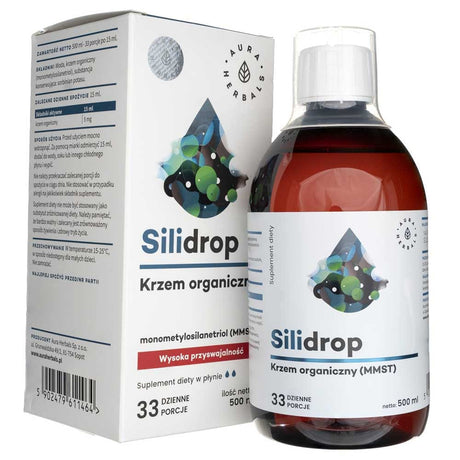


Aura Herbals
Aura Herbals Silidrop - organinio silicio MMST skystis - 500 ml
Įprasta kaina €19.99Vieneto kaina€39.98 /l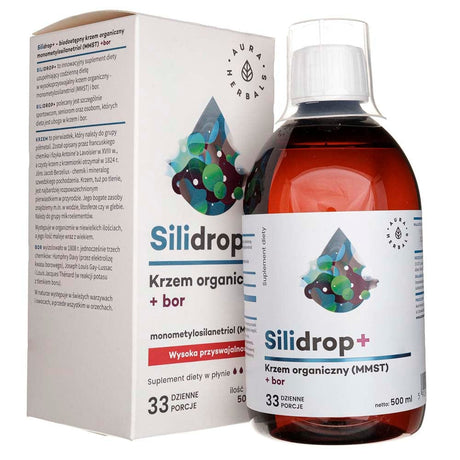


Aura Herbals
Aura Herbals Silidrop+ - organinis silicis + boras - 500 ml
Įprasta kaina €21.09Vieneto kaina€42.18 /l

Invex Remedies
Invex Remedies Silor B Silicis su boru, skystis - 500 ml
Įprasta kaina €27.69Vieneto kaina€55.38 /l


Aliness
Aliness Ekologiškas silicis iš bambuko ūglių 500 mg - 100 Veg kapsulių
Įprasta kaina €11.69Vieneto kaina€0.12 už kiekvieną


Now Foods
Now Foods Bamboo Silica Beauty - 90 kapsulių
Įprasta kaina €13.99Vieneto kaina€0.16 už kiekvieną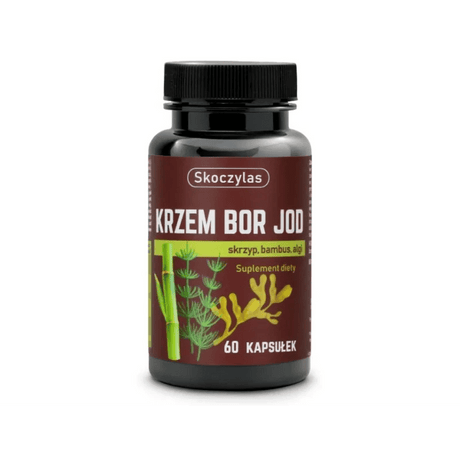
Purelab Marek Skoczylas
Skoczylas Silicio, Boro, Jodo (Arklio uosio, Bambuko, Dumblių) - 60 kapsulių
Įprasta kaina €10.39Vieneto kaina€0.17 už kiekvieną

 5% nuolaida
Yango
Yango Arklio uosio ekstraktas - 90 kapsulių
Akcijos kaina €13.06 Įprasta kaina €13.79Vieneto kaina€0.15 už kiekvieną


Silicis, Kolagenas, ir kaulų sveikata — platesnis vaizdas
Silicis neveikia izoliuotai. Jis veikia kaip dalis platesnės maistinių medžiagų matricos, reikalingos jungiamojo audinio ir kaulų sveikatai. Vitaminas C reikalingas kolageno kryžminiam susiejimui; magnis ir cinkas palaiko fermentinius procesus, susijusius su kolageno sinteze; kalcis ir vitaminas D yra pagrindiniai kaulų mineralinio tankio veiksniai; o pats kolagenas sudaro struktūrinį karkasą, kuriame nusėda mineralai. Tiems, kurie nori visapusiškai palaikyti kaulų ir sąnarių sveikatą, rekomenduojame mūsų „https://medpak“ produktą.Mūsų „kaulų, sąnarių ir kremzlių“ kolekcija (shop/collections/bone-joint-cartilage">) apima gliukozamino, chondroitino ir kolageno formules, o mūsų specializuota „https://medpak“ kolekcija (kolageno kolekcija siūlo hidrolizuoto kolageno produktus odos ir jungiamojo audinio palaikymui.
Šis straipsnis yra tik informacinio pobūdžio ir nepakeičia gydytojo konsultacijos. Jei turite sveikatos problemų, esate nėščia, maitinate krūtimi ar vartojate vaistus, pasitarkite su gydytoju arba vaistininku. Maisto papildai nepakeičia įvairios mitybos.


