

Derva — Vidurio Europos liaudies medicinoje žinoma kaip dziegieć — yra vienas seniausių vietiškai naudojamų vaistų, kurie vis dar aktyviai taikomi Toda m. Dar gerokai prieš atsirandant šiuolaikinei Derma tologijai, tai buvo standartinis odos ligų, žaizdų priežiūros, ir galvos odos problemų gydymo būdas namuose visoje Europoje. Jo atgimimas natūralioje kosmetikoje nėra nostalgija: degutas turi tikrai veiksmingų junginių, kurie padeda spręsti kai kurias iš labiausiai užsispyrusių odos ir galvos odos problemų, ir jis išlieka vienu iš nedaugelio tradicinių vaistų, kuriuos šiuolaikiniai tyrimai ir toliau patvirtina.
Kas yra degutas ir kaip jis gaminamas?
Derva gaminama sausosios distiliacijos būdu – tai procesas, kurio metu organinė medžiaga (mediena, žievė, anglis, arba durpės) kaitinama iki 1, 000 °C temperatūros visiškai nesant deguonies. Susidariusios dujos kondensuojasi, susidaro tiršta, tamsiai, klampi medžiaga su būdingu dūminiu kvapu. Galutinis produktas labai skiriasi priklausomai nuo žaliavos, todėl skirtingų rūšių dervos turi žymiai skirtingas savybes ir pritaikymus.
Dervų rūšys ir jų paskirtis
Beržo derva (dziegieć brzozowy) gaunama iš beržo žievės ir yra plačiausiai naudojama natūralios odos priežiūros priemonė. Dėl savo baktericidinių, fungicidinių, antiseptinių, ir priešuždegiminių savybių ji ypač veiksminga esant uždegiminėms odos ligoms, įskaitant atopinį Derma titis (AZS/egzemą), psoriazę, ir užkrėstas žaizdas. Tai yra pirmasis pasirinkimas galvos odos priežiūrai ir yra randamas specializuotuose šampūnuose bei muiluose, skirtuose probleminei odai.
Kadagio derva (dziegieć jałowcowy) turi tikslinį poveikį virškinimo ir šlapimo takams, todėl ji yra tinkama kaip tradicinis vaistas vidiniams uždegimams šiose sistemose. Vietiškai, jo antiseptinės ir priešuždegiminės savybės puikiai tinka spuogams linkusiai ir psoriazinei odai — jis padeda sumažinti bakterijų kiekį ant odos paviršiaus, tuo pačiu raminant matomą uždegimą.
Pušų degutas (dziegieć sosnowy) yra geriausias pasirinkimas esant būklėms, kurioms būdingas intensyvus niežėjimas. Jis veiksmingai sumažina niežėjimo ir kasymosi ciklą bei skatina lėtai gijančių ar lėtinių žaizdų gijimą. Dėl raminamųjų ir antimikrobinių savybių tai patikimas pasirinkimas egzemos ir Derma titis atvejais, kai beržo dervos nėra.
Akmens degutas (dziegieć węglowy) yra farmakologiškai labiausiai ištirtas šioje grupėje ir turi ilgą istoriją dermatologijoje. Jis daugiausia naudojamas plaukų ir galvos odos priežiūros produktuose – šampūnuose ir gydomosiose priemonėse – kur jo gebėjimas reguliuoti riebalų gamybą, mažinti ląstelių atsinaujinimą ir kontroliuoti pleiskanas bei seborėjinį dermatitą yra gerai dokumentuotas. Jis taip pat turi priešuždegiminių ir skausmą malšinančių savybių, naudingų galvos odos ligoms gydyti.
Degutas galvos odai ir plaukams
Deguto naudojimas galvos odai yra vienas iš labiausiai klinikiniais tyrimais pagrįstų jo panaudojimo būdų. Deguto pagrindu pagaminti šampūnai padeda kovoti su pleiskanomis, seborėjiniu Derma titis, galvos odos psoriaze, ir per dideliu riebalų išsiskyrimu — būklėmis, kurių vaistinėse parduodami produktai dažnai nepajėgia tinkamai išspręsti. Beržo, pušies, ir akmens anglių dervos rūšys šiuo atžvilgiu yra vienodai veiksmingos. Reguliarus naudojimas gali pastebimai sumažinti pleiskanojimą, nuraminti galvos odos sudirginimą, ir palaipsniui pagerinti bendrą plaukų būklę bei išvaizdą.
Dėmių muilai taip pat gali būti naudojami ant galvos odos kaip retkarčiais atliekamas gilesnis gydymas, paliekant juos kelioms minutėms prieš nuplaunant. Mūsų muilų kolekcija apima dėmių muilų pasirinkimus iš patikimų natūralių gamintojų.
Derva odos ligoms: psoriazei, egzema, ir spuogams
Uždegiminėms ir proliferacinėms odos ligoms, derva veikia per kelis vienas kitą papildančius mechanizmus. Ji sulėtina psoriazei būdingą nenormaliai greitą ląstelių atsinaujinimą,, mažina uždegimą,, malšina niežulį ir suteikia antiseptinę apsaugą, kuri padeda išvengti antrinės infekcijos – didelės rizikos, kai oda yra pažeista ar susilpnėjusi. Šie suderinti veiksmai paaiškina, kodėl degutas jau dešimtmečius išlieka klinikinės dermatologijos protokoluose, net ir atsiradus naujesniems gydymo būdams.
Spuogų atveju, beržo, kadagio, ir akmens dervos antibakterinės ir riebalų išsiskyrimą reguliuojančios savybės sumažina bakterijų kolonizaciją porose ir nuramina uždegimą, kuris skatina spuogų atsiradimą. Deguto muilai, naudojami kaip reguliarios odos valymo rutinos dalis, laikui bėgant gali žymiai sumažinti spuogų atsiradimo dažnumą ir sunkumą. Norėdami gauti visapusišką odos būklės priežiūrą, susipažinkite su mūsų „https://medpak.shop/collections/body-cosmetics“ kūno kosmetikos kolekcija, kurioje yra prekių ženklų produktai, sukurti specialiai reaktyviai ir probleminei odai.


 5% nuolaida
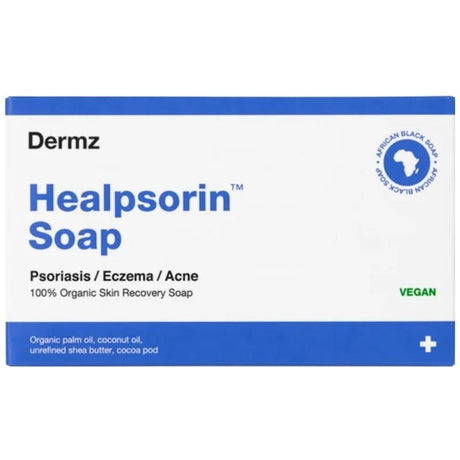
Hermz
Hermz Healpsorin ekologiškas muilas - 100 g
Akcijos kaina €5.10 Įprasta kaina €5.39Vieneto kaina€5.10 /100 g


Hermz
Hermz Healpsorin Psoriazės ir egzemos kremas - 50 ml
Įprasta kaina €19.69Vieneto kaina€39.38 /100 ml


Hermz
Hermz Healpsorin veido ir kūno prausimosi gelis - 500 ml
Įprasta kaina €22.19Vieneto kaina€44.38 /l


Kaip saugiai ir veiksmingai naudoti dervą
Paruošti kosmetikos produktai — muilai, šampūnai, kremai — yra praktiškiausias ir saugiausias būdas naudoti dervą. Jų sudėtis yra tokia, kad veikia efektyviai, bet nesukelia dirginimo, ir nereikalauja jokio jūsų pasiruošimo. Jei naudojate koncentruotą dervos ekstraktą, prieš tepdami ant odos visada jį praskiesti kosmetiniu aliejumi arba medumi, ir tepti tik ant pažeistos vietos.
Yra viena svarbi atsargumo priemonė: degutas yra fotosensibilizuojantis. Odos sritys, gydomos degutu, gydymo laikotarpiu turi būti apsaugotos nuo tiesioginių saulės spindulių ir UV spindulių. Vengti ilgalaikio buvimo saulėje ar deginimosi, kai ant atviros odos naudojami deguto pagrindu pagaminti produktai. Dėl ilgesnių nei šešių savaičių gydymo kursų reikėtų pasikonsultuoti su dermatologu.
Šis straipsnis yra tik informacinio pobūdžio ir nepakeičia gydytojo konsultacijos. Jei turite sveikatos problemų, esate nėščia, maitinate krūtimi ar vartojate vaistus, pasitarkite su gydytoju arba vaistininku. Maisto papildai nepakeičia įvairios mitybos.


