

Ausų kamštukus naudojame dėl įvairiausių priežasčių – plaukdami, triukšmingoje darbo vietoje, viešajame transporte, arba tiesiog namuose, kai net laikrodžio tiksėjimas Enough neleidžia mums užmigti. Tačiau retai sustojame ir rimtai pagalvojame, kokios ausų kamštelės iš tiesų tinka konkrečiai situacijai, ar ar tos, kurias naudojame, tikrai saugios nuolatiniam naudojimui. Tinkamų ausų kamštukų pasirinkimas priklauso nuo supratimo, kam kiekvienas modelis yra skirtas.
Kodėl naudoti ausų kamštukus?
Klausos pojūtis yra nepaprastai jautrus, o ilgalaikis triukšmo poveikis turi realių fiziologinių pasekmių. Ilgalaikis padidėjęs triukšmo lygis trukdo susikaupti, neleidžia iš tikrųjų pailsėti, ir gali sukelti galvos skausmus bei sustiprinti streso reakcijas. Darbo aplinkoje – gamybos, statybos, gyvos muzikos – nuolatinis buvimas intensyviame triukšme yra pagrindinė išvengiamų klausos pažeidimų priežastis, todėl daugelyje pramonės šakų ausų apsauga yra privaloma.
Plaukikams, ausų kamštukai tarnauja kitam tikslui: jie neleidžia vandeniui patekti į ausies kanalą, o tai gali sukelti išorinę ausies uždegimą (, plaukiko ausį) – skausmingą bakterinę infekciją, kuri yra ne tik nemaloni, bet ir lėtai išgydoma. Keliautojams ir pamaininiams darbuotojams, ausų kamštukai sprendžia dar kitą problemą: lėtinį miego sutrikimą, kurį sukelia triukšmas netikėtomis valandomis, o tai laikui bėgant prisideda prie nuovargio, sumažėjusio pažinimo gebėjimų, ir nuotaikos sutrikimų.
Ausų kamštukai, sukurti šioms skirtingoms aplinkybėms, nėra tarpusavyje keičiami. Miego ausų kamštukai, optimizuoti patogumui per aštuonias valandas, yra pagaminti kitaip nei pramoniniai ausų apsaugai, suprojektuoti maksimaliam SNR ((signalo ir triukšmo santykiui)), ir abu skiriasi nuo plaukimo kamštukų, suprojektuotų užsandarinti nuo vandens, tuo pačiu leidžiant išlyginti slėgį.
Putplastis prieš silikoną: Tinkamos medžiagos pasirinkimas
Putų ausų kamštukai yra paprasčiausias ir pigiausias variantas. Jos suspaudžiamos, įdedamos į ausies kanalą, ir tada išsiplečia, kad jį užpildytų. Jos yra minkštos, nebrangios, ir plačiai prieinamos — tačiau miegui jos turi akivaizdžių trūkumų. Jos palaipsniui išstumiamos iš ausies kanalo dėl spaudimo, atsirandančio gulint ant pagalvės ar vartantis miego metu, todėl jas reikia dažnai perkelti. Jos taip pat kaupia bakterijas ir po kelių naudojimų turėtų būti laikomos vienkartinėmis.
Silikoninės ausų kamštelės yra žymiai geriau pritaikytos miegui. Minkštas silikonas švelniai šildomas prisitaiko prie ausies kanalo formos, sukuria geresnį sandarumą, ir visą naktį patikimiau laikosi vietoje. Trijų iškyšų konstrukcijos — kai ausų kamšteliai turi du ar tris iškilus iškyšus, kurie paeiliui įsiterpia į kanalą — užtikrina tiek patikimą prigludimą, tiek, jei yra gerai suprojektuoti,, ventiliacijos kanalą, leidžiantį ausies kanalui kvėpuoti. Tai svarbu: visiškai uždaras sandarumas sulaiko drėgmę ir šilumą, o tai gali padidinti ausų sieros susidarymą ir sudaryti sąlygas bakterijų augimui. Gerai suprojektuotos miego ausų kamštelės suderina garso slopinimą su oro srautu, kad ausies kanalas jaustųsi patogiai.
Formuoti arba individualiai pritaikyti ausų kamšteliai sudaro trečiąją kategoriją. Jos yra arba iš anksto suformuotos pagal anatomines normas, arba (profesionaliose versijose) individualiai nulietos pagal atspaudus. Jos užtikrina labiausiai pastovų prigludimą ir yra higieniškiausios ilgalaikiam pakartotiniam naudojimui, nes neporėtą paviršių lengva valyti muilu ir vandeniu.
Ausų kamštukai, kurie neizoliuoja visiškai
Dažnas susirūpinimas – ypač tėvams, vieniems keliaujantiems, ir tiems, kurie miegą lengvai, – yra pernelyg veiksminga izoliacija nuo svarbių garsų: verkiančio vaiko, dūmų signalo, durų, ar ryto žadintuvo. Tai pagrįstas susirūpinimas, ir verta žinoti, kad jį galima išspręsti dizaino, o ne kompromiso pagalba.
Filtruojančios ausų kamštelės naudoja akustinius filtrus, kurie silpnina tam tikrus dažnių diapazonus — paprastai dažnius, susijusius su aplinkos foniniu triukšmu (eismu, šildymo, vėsinimo ir ventiliacijos sistemomis, knarkimu) — tuo pačiu leidžiant aukštesnio dažnio trumpalaikiams garsams (žadintuvams, balsams, aštriems perspėjimams) prasiskverbti sumažintu, bet girdimu garsumu. Šis selektyvus slopinimas yra technologija, kuria pagrįstos muzikantų ausų kamštelės, leidžiančios suvokti kalbą ir muzikos toną, tuo pačiu sumažinant garsumą, ir ji taip pat yra prieinama miegui pritaikytuose formatuose.
Jei norite miegoti apsaugoti nuo foninio triukšmo, bet vis tiek galėti išgirsti žadintuvą ar vaiką, filtruojanti ausų kamštelė yra tinkamas pasirinkimas — ne maksimalaus slopinimo putų kamštelė.
Ausų kamštukai konkrečioms situacijoms
Miegui: Pirmenybę teikite patogumui ilgai nešiojant, tvirtam prigludimui keičiant padėtį, ir ventiliacijai. Geriausiai tinka silikoniniai trijų iškyšų arba formuoti modeliai. Filtruojančios ausų kamštelės tinka tiems, kuriems reikia išlaikyti dalinį aplinkos suvokimą.
Plaukimui: Prioritetas – vandens nepraleidimas. Specializuoti plaukimo ausų kamšteliai turi uždarą silikoninę konstrukciją, kuri neleidžia įsiskverbti vandeniui ir išlaiko slėgio pusiausvyrą. Jų neturėtumėte naudoti miegui – jų uždaranti konstrukcija netinka ilgam nešiojimui sausomis sąlygomis.
Kelionėms ir skrydžiams: Slėgį reguliuojančios ausų kamštelės naudoja mažą keraminį arba akustinį filtrą, kuris sulėtina slėgio pokyčio greitį, pasiekiantį ausies būgnelį kilimo ir nusileidimo metu, taip žymiai sumažindamas ausų diskomfortą skrydžio metu. Jos skiriasi nuo paprastų triukšmą blokuojančių ausų kamštelių.
Darbui ir pramonei: Čia svarbūs maksimalūs SNR reitingai. Putų arba iš anksto suformuotos ausų kamštelės su SNR 30–37 dB atitinka apsaugos reikalavimus daugumoje triukšmingų aplinkų ir turi atitikti EN 352-2 sertifikatą, kad būtų galima naudoti ES.
Vaikams: Vaikai turi mažesnius, jautresnius ausų kanalus. Specialios ausų kamštelės ir ausinės vaikams yra tinkamo dydžio ir įdedamos naudojant mažesnę jėgą, kad būtų išvengta diskomforto ar ausų kanalo sudirginimo. Standartinių suaugusiųjų ausų kamštelių neturėtų būti naudojama mažiems vaikams.
Higiena ir priežiūra
Daugkartinio naudojimo silikoninės ir formuotos ausų kamštelės turėtų būti valomos po kiekvieno naudojimo švelniu muilu ir vandeniu, arba specialiu ausų kamštelių valymo purškalu, o prieš laikant – kruopščiai išdžiovinamos. Dauguma jų parduodama su mažu dėklu, kuris padeda išlaikyti jas švarias ir apsaugo nuo praradimo tarp naudojimų. Putų ausų kamštukai yra nebrangūs ir juos geriausia laikyti vienkartiniais arba riboto naudojimo daiktais; pakartotinai naudojant stipriai suspaustus putų kamštukus sumažėja jų veiksmingumas ir padidėja užteršimo rizika. Niekada nesidalykite ausų kamštukais su kitais vartotojais.
Mūsų ausų kamštukų pasirinkimas
Mūsų ausų kamštelių kolekcija apima miegą, plaukimą, keliones, darbą, muziką, ir vaikų naudojimą dviejų specializuotų prekės ženklų asortimente: Alpine Klausos apsauga ir Haspro.
Alpine SleepSoft ir Alpine „SleepDeep“ yra specialiai miegui sukurti ausų kamštukai, kuriuose naudojamas Alpine „UniFit“ silikoninis antgalis su integruota ventiliacija. „SleepSoft“ naudoja silpnesnį slopinimo filtrą, tinkamą vidutinio triukšmo aplinkai; „SleepDeep“ užtikrina stipresnį slopinimą giliai miegantiems žmonėms arba triukšmingesnėje aplinkoje. „“, „Haspro“, „Sleep“, „“ yra panašios paskirties silikoninės ausų kamštelės miegui už šiek tiek mažesnę kainą. Plaukikams, , Alpine „SwimSafe“, ir , Haspro „Swim“, – abu užtikrina vandeniui nepralaidų dizainą su slėgio išlyginimu. Kelionėms skirti „FlyFit“ ir „Fly“ bei „Kids“ yra pritaikyti vaikams lėktuvuose. Darbo ir pramonės reikmėms, , Haspro „Work“ užtikrina EN 352-2 sertifikuotą aukštą SNR apsaugą, o, , Haspro „Tube50“ ir didmeninės pakuotės yra ekonomiškas vienkartinis pasirinkimas darbo vietoms.


 15% nuolaida
Haspro
Haspro Miego ausų kištukai miegui
Akcijos kaina €11.66 Įprasta kaina €13.79Vieneto kaina€11.66 už kiekvieną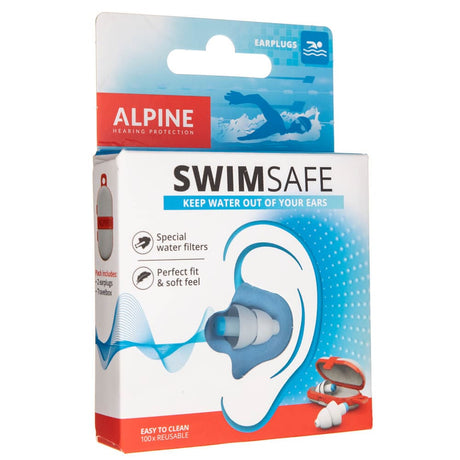


Alpine Hearing Protection
Alpine SwimSafe ausų kištukai plaukimui
Įprasta kaina €17.39Vieneto kaina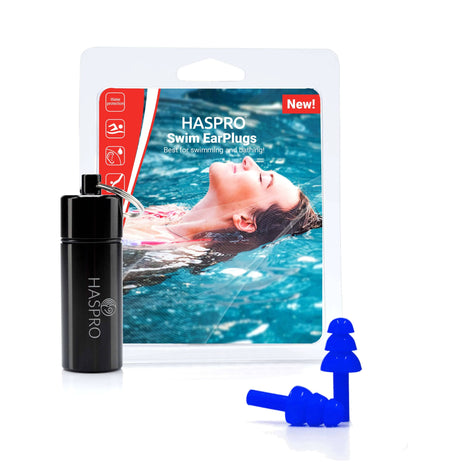
 5% nuolaida
Haspro
Haspro Plaukimo ausų kištukai plaukimui
Akcijos kaina €13.04 Įprasta kaina €13.79Vieneto kaina€13.04 už kiekvieną


Šis straipsnis yra tik informacinio pobūdžio ir nepakeičia gydytojo konsultacijos. Jei turite sveikatos problemų, esate nėščia, maitinate krūtimi ar vartojate vaistus, pasitarkite su gydytoju arba vaistininku. Maisto papildai nepakeičia įvairios mitybos.


